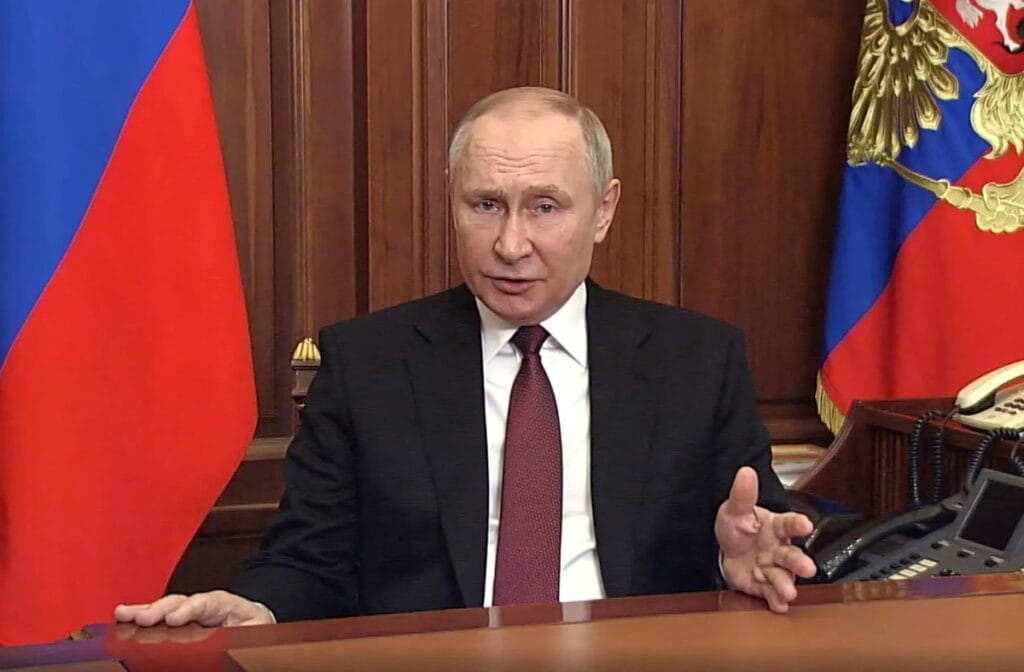
Russian President Vladimir Putin recently expressed support for a ceasefire in Ukraine, but with several tough conditions. His remarks came in response to a 30-day ceasefire proposal that Ukraine agreed to after discussions with the United States earlier this week.
While Putin acknowledged the idea of a ceasefire, he emphasized that several “questions” remained to be addressed before reaching an agreement. According to Putin, the goal of a ceasefire should be to bring about “an enduring peace” and address the root causes of the ongoing crisis. However, he also hinted that negotiations with the U.S. were necessary to find a resolution.
Key Points of Contention
Putin pointed to several areas where negotiations would be needed. One major sticking point is the Kursk region, which saw a military incursion from Ukraine last year, during which Ukrainian forces managed to capture some territory. While Putin claimed that Russia has regained full control of Kursk, he stated that Ukrainian forces in the area are “isolated” and have abandoned their equipment. The situation in Kursk highlights the complexity of the conflict and the challenges in reaching a peaceful resolution.
According to Putin, Ukraine’s options in Kursk were clear: surrender or face death. These harsh statements have raised concerns about the likelihood of a ceasefire, especially as Ukrainian President Volodymyr Zelensky labeled Putin’s response to the truce proposal as “manipulative.” Zelensky has called for additional sanctions on Russia, hoping that economic pressure could force Russia to change its stance.
Divided Positions on Ceasefire and Peace Talks
Ukraine’s approach to peace differs from Russia’s. Ukraine is advocating for a two-stage process: a short-term ceasefire followed by longer-term negotiations for a permanent settlement. On the other hand, Russia believes both processes should be handled in a single deal, emphasizing the need to address fundamental issues like NATO expansion and Ukraine’s sovereignty.
This divide has created a deadlock, with each side attempting to paint the other as the reluctant party in the negotiations. Ukraine sees Russia as stalling for time, while Russia insists that its key concerns must be addressed before any permanent peace is possible.
The Role of the U.S. and International Pressure
The United States, under President Donald Trump, has placed further sanctions on Russia, targeting its oil, gas, and banking sectors. These sanctions aim to increase pressure on Russia to agree to a ceasefire and ultimately end the conflict. However, despite the escalating sanctions, Putin remains resolute, and there are doubts about his willingness to negotiate on terms that would be acceptable to Ukraine and its allies.
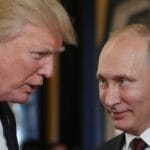
Trump has expressed a desire to meet with Putin, hoping that direct talks could lead to a resolution. He also reiterated his support for Ukraine and the idea of a ceasefire, stating that he hoped Russia would “do the right thing” and accept the 30-day truce proposal. The U.S. administration has already discussed the potential for land concessions and other elements of a final peace agreement with Ukraine.
Casualties and the Toll of War
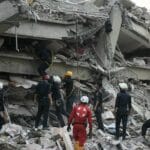
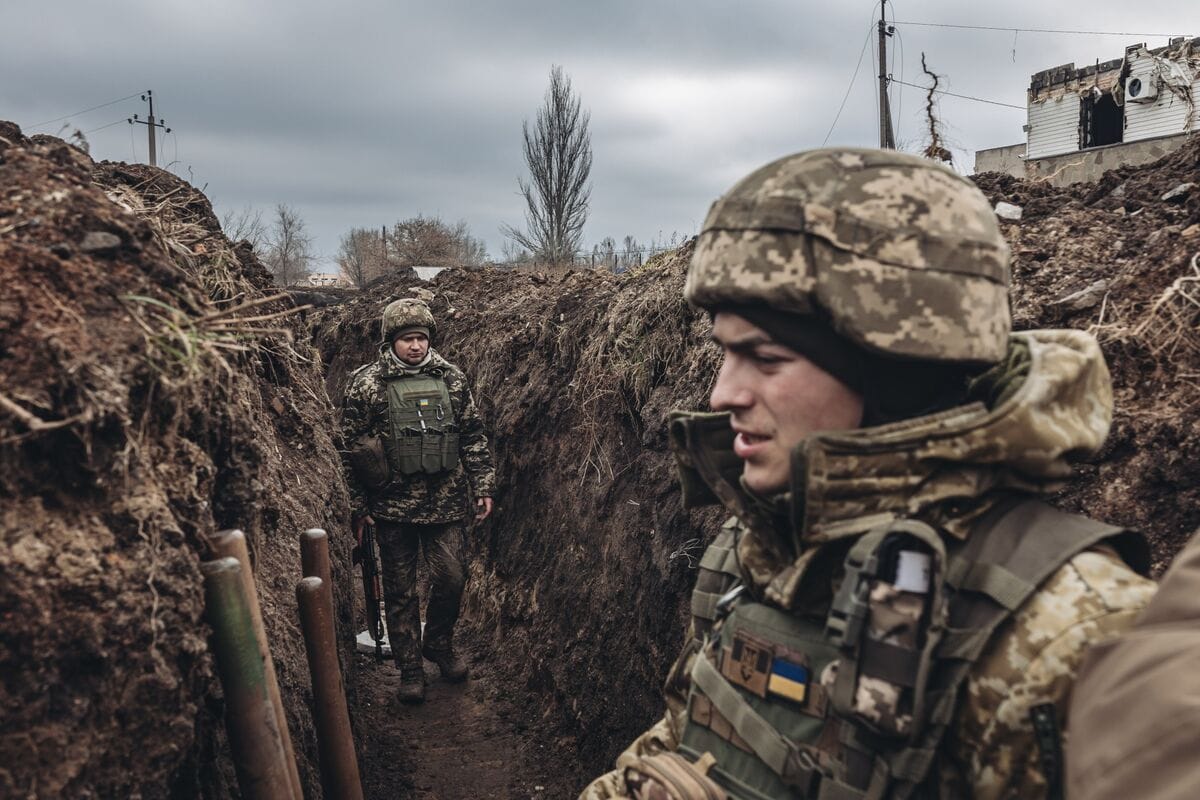
Since Russia’s full-scale invasion of Ukraine in February 2022, the war has caused massive devastation. Russia now controls about 20% of Ukrainian territory, and the human cost has been staggering. According to Western analysts, more than 95,000 Russian soldiers have died in the conflict. On the Ukrainian side, President Zelensky has acknowledged 43,000 casualties, though some analysts believe this figure is an understatement.
As the war continues, the humanitarian crisis deepens, with both sides suffering heavy losses. The prospects for peace remain uncertain, as the terms of a ceasefire and long-term settlement seem increasingly difficult to reconcile.