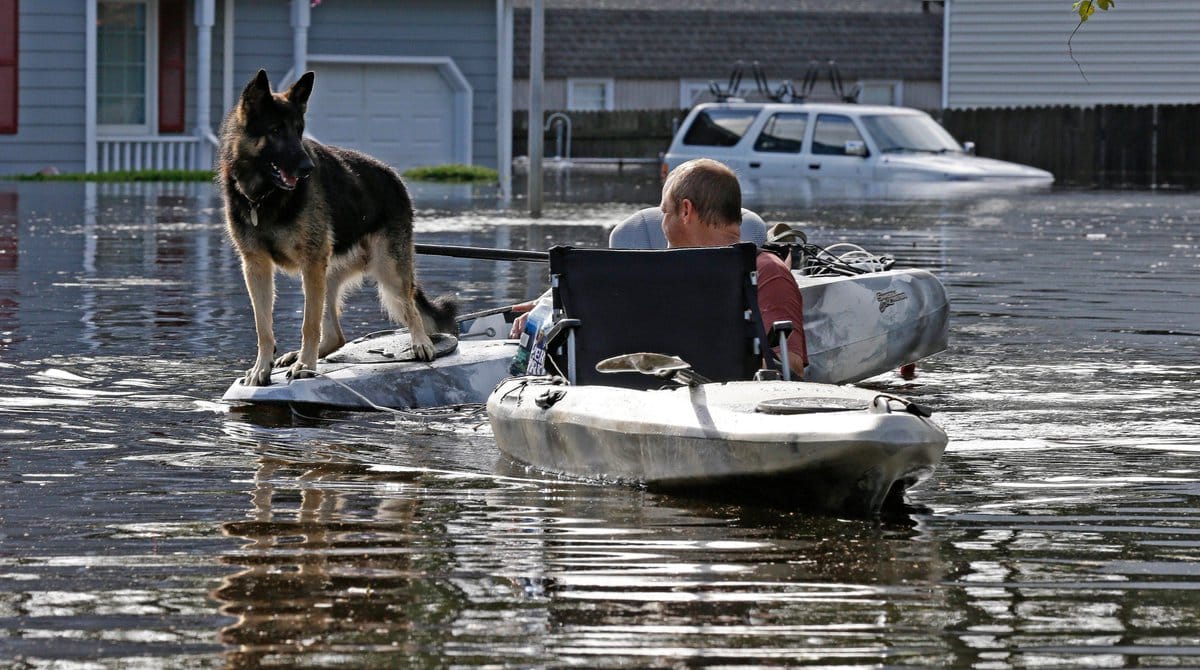
Severe flooding and landslides have hit parts of northern Italy, particularly affecting the regions of Tuscany and Emilia-Romagna. Red weather alerts have been issued for major cities, including Florence and Pisa, as torrential rain continues to batter the area. Authorities are urging residents to exercise extreme caution as heavy rainfall is expected to persist.
Flooding and Landslides Impact Tuscany and Emilia-Romagna
The relentless downpour has caused landslides and mudslides in Bologna, leading to evacuations on Thursday evening. While no casualties have been reported, the city is on high alert. In Badia Prataglia, Tuscany, a family of four was rescued from a landslide, highlighting the severity of the situation.
Meanwhile, Florence’s northern outskirts saw floodwaters surging through the Sesto Fiorentino area after the Rimaggio river overflowed. Pisa has also taken preventive measures, erecting flood defenses along the Arno River as water levels rise beyond the first flood-risk threshold.
Transport Disruptions and School Closures
The extreme weather has led to road closures, with fallen trees and floodwaters making travel hazardous. Authorities in Florence have advised residents to avoid travel, and the A1 motorway was partially shut down due to the flooding.
In response to the worsening conditions, schools in over 60 municipalities in Tuscany have been closed, along with multiple campuses of the University of Florence.

Historical Flooding and Climate Change Concerns
This latest flood emergency comes after a series of extreme weather events in Italy. In September 2024, Storm Boris caused mass evacuations in Emilia-Romagna. A year earlier, the region saw catastrophic flooding that claimed 13 lives when six months’ worth of rain fell in just 36 hours. More than 20 rivers overflowed, triggering hundreds of landslides.
Scientists from the World Weather Attribution group have linked these disasters to climate change. Europe’s warming climate contributes to heavier and more frequent rainfall, increasing the likelihood of extreme flooding. A hotter atmosphere holds more moisture, leading to intensified storms and rising water levels.
Emergency Response and Precautions
Tuscany’s president has placed local rescue and health services on high alert, urging residents to stay informed and prioritize safety. The national fire brigade has been inundated with emergency calls, assisting in evacuations and flood control measures.
As red alerts remain in place, authorities continue to monitor the situation closely. Residents in affected areas are advised to follow official updates, avoid flooded zones, and seek shelter if necessary.