The Trump administration is escalating its efforts to suppress pro-Palestinian demonstrations on college campuses. The latest developments include a legal battle over the detention of activist Mahmoud Khalil, federal scrutiny of Columbia University, and threats to withdraw funding from institutions that do not comply with new federal demands.
The Case of Mahmoud Khalil
Mahmoud Khalil, a Palestinian refugee, remains in ICE custody in Louisiana after his green card was revoked due to his participation in last spring’s protests at Columbia University. The American Civil Liberties Union (ACLU) released a video of his March 8 arrest, filmed by his pregnant wife.
Judge Jesse Furman has set a Friday deadline for Khalil’s legal team to file a motion for his bail, with the government required to respond by the following Wednesday.
“This is a clear case of an individual being targeted and retaliated against for constitutionally protected speech,” said Brad Parker, an attorney with the Center for Constitutional Rights.
President Trump took to social media to justify Khalil’s arrest, stating that his administration had “proudly apprehended” the activist and that those who “support terrorism… are not welcome here.” However, Khalil’s legal team argues that the government’s case lacks legal merit.
Federal Crackdown at Columbia University
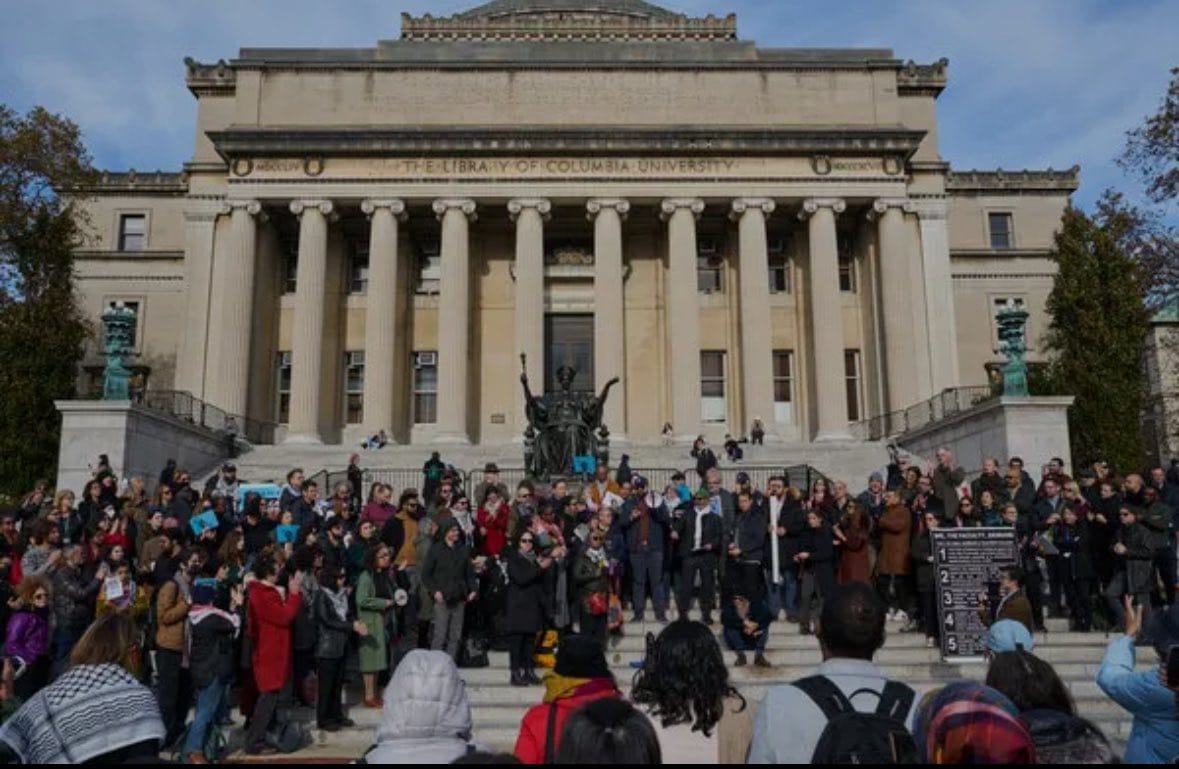
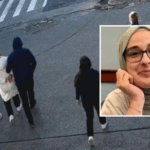
Columbia University has become the focal point of a broader crackdown. Federal agents served search warrants for two student rooms, while ICE arrested another Palestinian student, Leqaa Kordia, for alleged visa violations. Columbia’s interim president, Katrina Armstrong, acknowledged the stress on the university community but confirmed that no items were seized in the raids.
The Department of Justice has launched an investigation into whether Columbia’s handling of last year’s protests violated anti-terrorism laws. Deputy Attorney General Todd Blanche stated that the probe will examine whether Columbia “harbored” individuals in the country illegally.
Meanwhile, the Trump administration has issued an ultimatum to Columbia: comply with new federal conditions or risk losing $400 million in grants and contracts. The preconditions include adopting the administration’s definition of antisemitism, overhauling admissions policies, and dismantling the University Judicial Board.
Student Legal Action Against Federal Demands
A group of students, including Khalil, has filed a lawsuit against Columbia, Barnard College, and the House Committee on Education and Workforce. The lawsuit, backed by the Council on American-Islamic Relations, aims to prevent the release of student disciplinary records, arguing that the committee is using accusations of antisemitism to suppress political dissent.
This legal battle coincides with a broader push by the Department of Homeland Security to track students involved in pro-Palestinian protests across multiple universities. Trump’s recent executive order directs institutions to monitor and report on international students and staff engaged in political activism.
- US Deports Gang Members to El Salvador
- US Court Stops Deportation of Georgetown University Researcher Amid Controversy
Impact on Student Protests and Free Speech
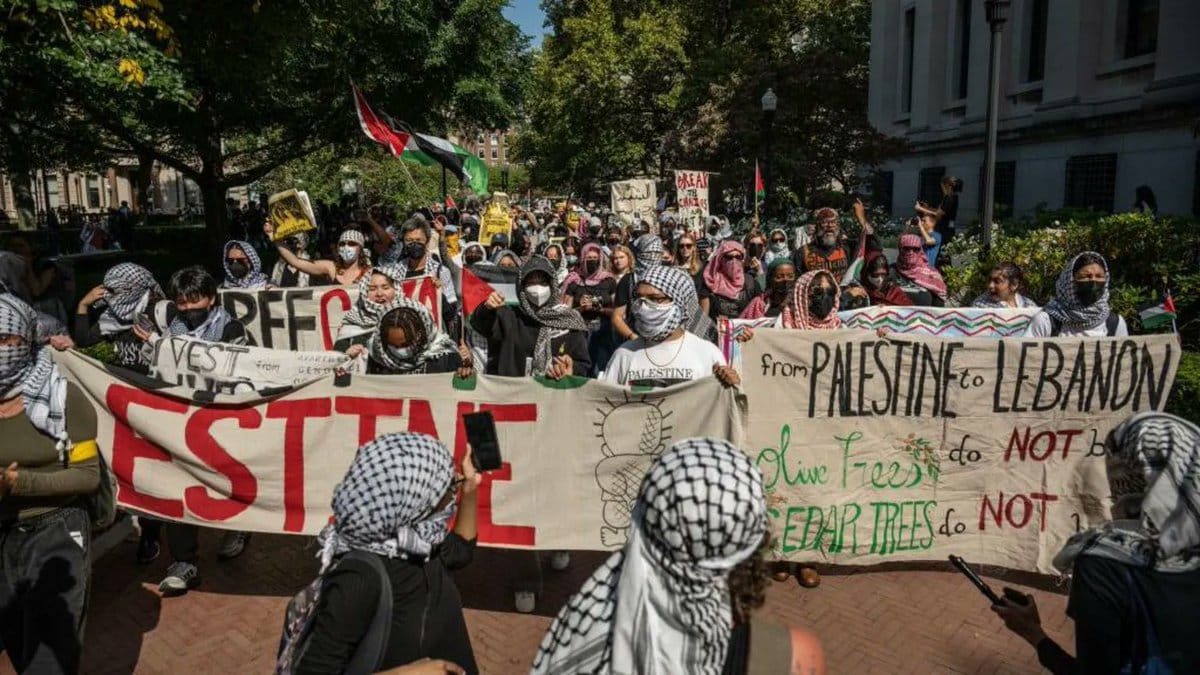
Protests at Columbia and other universities reflect a long-standing tradition of student activism against war and political repression. Demonstrators last spring organized encampments, rallies, and teach-ins to protest the conflict in Gaza. The protestors deny antisemitic charges despite facing accusations about their demonstrations.
“According to Khalil he expressly states that antisemitism has no appropriate place. “We are currently observing the expression of anti-Palestinian prejudice which reveals itself through Islamophobia and racist actions.
With legal battles, federal interventions, and student activism continuing to unfold, the coming months will determine how these crackdowns reshape campus political discourse and civil liberties in the United States.