The US government recently deported hundreds of Venezuelans, allegedly gang members, to El Salvador. The action triggered immediate legal and political controversy, with a federal judge ordering the planes to turn back. However, the planes did not return, leading to a social media response from El Salvador’s President Nayib Bukele, who posted “Oopsie… too late” along with a laughing emoji.
Legal and Political Clash
The deportations have raised concerns about the White House’s willingness to defy judicial authority. The administration argued that since the judge’s order was given orally, it was not legally enforceable. Legal scholars and human rights groups have expressed alarm at this move, warning that it could set a dangerous precedent for the US judicial system.
The Role of the Alien Enemies Act
The Trump administration justified the deportations under the Alien Enemies Act of 1798, a rarely used law granting the president sweeping powers to deport individuals from nations deemed as threats. Critics argue that invoking this law bypasses due process and could erode constitutional checks and balances.
Courts vs. Executive Power
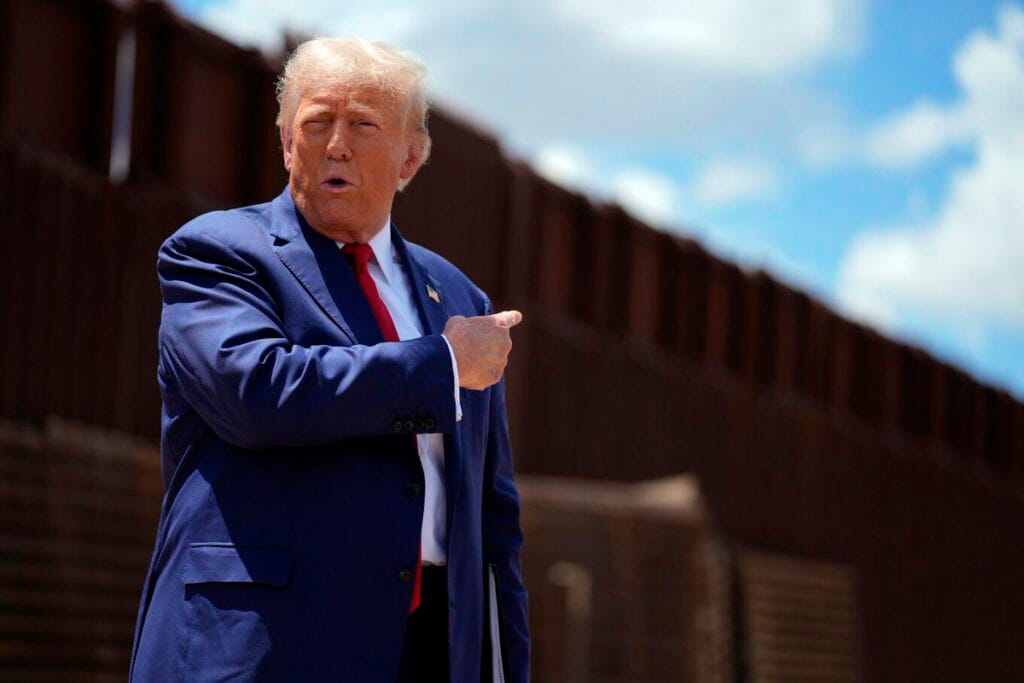
This deportation episode is part of a broader struggle between the executive branch and the judiciary. Trump’s administration has repeatedly clashed with courts over policies related to immigration, federal workforce reductions, and funding freezes. The administration has also requested the Supreme Court to overturn lower court rulings on citizenship and executive orders.
What’s Next?
The legal battle is far from over. The judge overseeing the case has demanded more details about the flights and may impose sanctions if the administration is found to have ignored court orders. Meanwhile, Trump appears ready to fight this case politically, portraying himself as tough on crime and illegal immigration.
Implications for the Future
If courts continue to block Trump’s policies, the administration may push for a Supreme Court ruling to resolve these conflicts. With a conservative-majority court, future decisions could significantly reshape the balance of power between the executive and judiciary.
The outcome of these legal battles will have long-term consequences for US immigration policy, executive authority, and the role of courts in checking presidential power.