
In a dramatic escalation, Russia and Ukraine have both carried out air attacks on each other’s infrastructure just hours after a critical phone call between Russian President Vladimir Putin and former U.S. President Donald Trump. The call, which revolved around the ongoing conflict in Ukraine, seemed to offer a glimmer of hope for peace, but recent developments suggest otherwise. Despite Putin’s announcement that Russia would halt attacks on Ukrainian energy sites, the reality on the ground paints a different picture, with both sides continuing to target each other’s infrastructure.
The Putin-Trump Call: A Shift in Strategy?
The phone call between Putin and Trump, held on a Tuesday, raised expectations that a comprehensive ceasefire might be within reach. During the conversation, Putin claimed that Russia would stop targeting Ukrainian energy infrastructure, an announcement that was met with cautious optimism in some quarters. However, this optimism quickly evaporated as Russia’s actions contradicted the claim within hours.
Ukrainian President Volodymyr Zelensky responded by stating that Russia’s actions, including targeting hospitals and civilian infrastructure, showed that Putin had effectively rejected a broader, more comprehensive ceasefire. Zelensky was clear in his assessment: “There have been hits, specifically on civilian infrastructure,” he said, referring to a hospital in Sumy that was severely damaged in the wake of Russian attacks. This marked a stark contrast to Putin’s statement, suggesting that the Kremlin had no intention of halting its military campaign in Ukraine entirely.
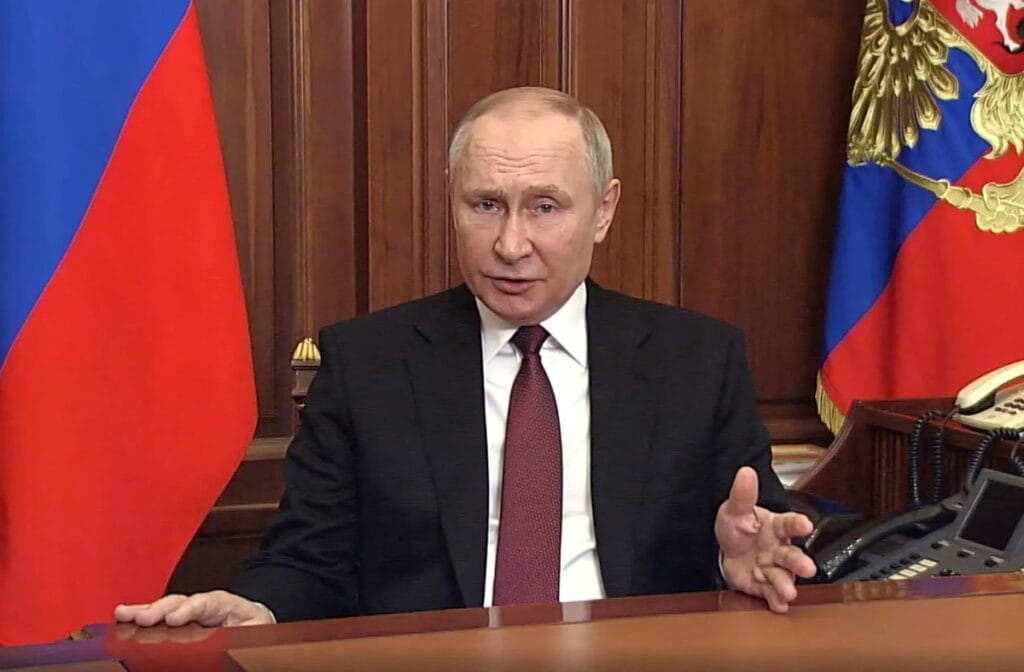

Following the Putin-Trump call, Russia launched a fresh wave of drone attacks on Ukraine. Zelensky confirmed that over 40 drones were deployed by Russia, targeting key civilian and military infrastructure across the country. According to Zelensky, these types of night-time attacks continue to wreak havoc on Ukraine’s energy sector, further destabilizing the region. “It is these types of attacks that destroy our energy sector, our infrastructure, and the normal life of Ukrainians,” he remarked, underscoring the ongoing humanitarian crisis.
While Russia’s attacks targeted civilian infrastructure, Ukrainian forces have not been idle. A Ukrainian drone attack, reportedly in the southern Russian region of Krasnodar, caused a small fire at an oil depot. Though the fire was minor, it symbolized Ukraine’s ongoing efforts to strike at Russian infrastructure deep within its borders, with a focus on key energy and military sites.
The Ceasefire Debate: A Complicated Matter
One of the key issues that emerged from the Putin-Trump conversation was the question of a full ceasefire. Putin told Trump that a full ceasefire would only be possible if Ukraine’s allies, particularly the U.S. and European nations, stopped providing military assistance to Ukraine. This condition, however, was quickly rejected by Ukraine’s European allies, who have been steadfast in their support for Ukraine throughout the war.
The Russian President’s reluctance to commit to a comprehensive ceasefire is a sign of the continued stalemate between the two nations. Zelensky expressed his disappointment with Putin’s stance, emphasizing that the Russian leader had effectively rejected any proposal for a full ceasefire, despite the agreement to halt energy infrastructure attacks. The idea of a comprehensive month-long ceasefire, which had been proposed during discussions in Saudi Arabia, was also turned down by Putin, further complicating efforts toward peace.
The State of Ukraine’s Energy Infrastructure
Ukraine’s energy infrastructure has borne the brunt of the Russian onslaught, with around 80% of the country’s energy facilities having been destroyed by Russian bombing campaigns. Zelensky’s government has called these attacks part of a deliberate strategy to cripple Ukraine’s economy and ability to function. Energy shortages, power outages, and significant damage to critical infrastructure have severely impacted the lives of millions of Ukrainians.
Despite these setbacks, Ukraine has remained resilient, continuing to strike at Russian targets using drones and missiles. Ukrainian forces have carried out deep strikes into Russian territory, targeting oil and gas facilities in a bid to disrupt Russia’s energy supply and military logistics. These strikes have only heightened tensions between the two countries and further fueled the ongoing conflict.

The International Dimension: U.S. Involvement and Saudi Arabia Talks
The international community continues to play a key role in shaping the future of the conflict. The U.S. has been a significant ally to Ukraine, providing military assistance and diplomatic support. Despite Putin’s demands for Ukraine’s allies to cease military aid, the U.S. and European countries have continued to support Ukraine’s right to self-defense and its sovereignty.
In the wake of the Putin-Trump call, talks between the U.S. and Ukraine’s allies are set to continue, with discussions scheduled for Sunday in Jeddah, Saudi Arabia. These talks are expected to focus on finding a diplomatic solution to the crisis and exploring ways to de-escalate the conflict. The outcome of these discussions could significantly influence the future trajectory of the war and the prospects for a ceasefire or peace agreement.
Russian and Ukrainian Border Tensions
Tensions along the Russia-Ukraine border have remained high, with both sides accusing each other of provocations. In the Russian region of Belgorod, a Ukrainian ground assault was reportedly thwarted by Russian forces. The governor of Belgorod described the situation as “difficult,” underscoring the ongoing military activity in the area. Ukrainian drone strikes and attacks on Russian soil have become increasingly common, raising fears that the war could escalate further.
In response, Russia has continued to bolster its military presence along the border and in contested regions. The ongoing exchange of fire and the targeting of key infrastructure have contributed to a protracted conflict that seems far from resolution.