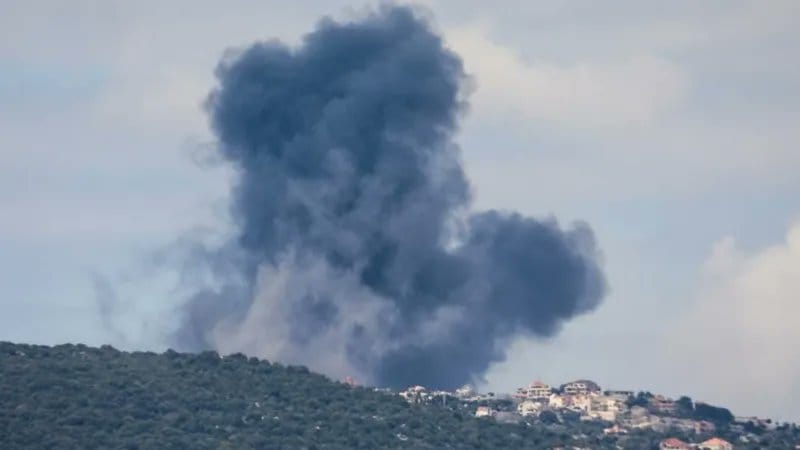
In a dramatic escalation, Israel has launched the most intense airstrikes on Lebanon in nearly four months following a rocket attack fired from Lebanon into Israel. This attack marks the first of its kind since the ceasefire, brokered by the U.S. and France, was put into effect in November 2023, putting the fragile peace agreement under intense pressure.
The Attack and Israel’s Response
According to the Israeli military, the airstrikes targeted multiple rocket launchers and a Hezbollah command center in southern Lebanon. The strikes, which resulted in significant damage, were a direct response to the rocket fire, which Israel attributes to the Iranian-backed Hezbollah group. Despite Hezbollah’s denials of involvement, claiming it did not carry out the rocket attack, Israel has justified its strikes as a necessary measure to prevent further escalation.
The Lebanese Health Ministry reported that two people, including a child, were killed and eight others were injured as a result of the Israeli airstrikes. Meanwhile, in northern Israel, the military successfully intercepted three rockets launched from Lebanon into the town of Metula, with no casualties reported.
Hezbollah and Lebanon’s Denial
Hezbollah, the most powerful armed group in Lebanon, has firmly denied responsibility for the rocket attack. The group, which wields significant influence in southern Lebanon, stated that it remained committed to upholding the ceasefire agreement. The Lebanese military, on the other hand, reported dismantling “three primitive rocket launchers” in the southern region, with the Lebanese government launching an investigation into the incident.
The events have raised serious concerns regarding Lebanon’s control over its southern territory, where Hezbollah maintains a strong military presence despite the terms of the ceasefire. Under the terms of the agreement, Hezbollah was required to withdraw its fighters and heavy weapons, while the Lebanese army was supposed to deploy thousands of soldiers to control the southern border areas. However, Israel maintains that the Lebanese military has not fully deployed in these regions, which has led to ongoing Israeli airstrikes on what it calls Hezbollah targets.
Tensions and International Reactions
The attack on Israel has intensified the political and military tensions between Israel and Lebanon, particularly around the role of Hezbollah in Lebanon’s security structure. The Lebanese government faces increasing pressure, both domestically and internationally, to curb Hezbollah’s influence. Lebanese President Joseph Aoun has called for the disarmament of all non-state actors, indirectly referencing Hezbollah’s arsenal.
Prime Minister Nawaf Salam also warned of the risk of dragging Lebanon into another war, urging for calm and the de-escalation of hostilities. The United Nations peacekeeping force in Lebanon, UNIFIL, expressed concern over the potential for further escalation, calling on both Israel and Lebanon to respect their commitments under the ceasefire agreement.
The Broader Impact on Lebanon and Hezbollah
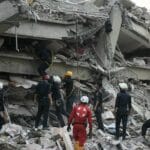
The current escalation comes against the backdrop of a region still reeling from the effects of the conflict between Israel and Hezbollah. The 2023 conflict had devastating consequences, with approximately 4,000 people killed in Lebanon, many of them civilians, and over 1.2 million residents displaced. Hezbollah faced severe losses, including the assassination of many of its leaders, the destruction of much of its military infrastructure, and mounting financial pressures to support the communities it controls.
Lebanon’s international partners, including Western powers, have repeatedly urged the Lebanese government to curb Hezbollah’s influence in exchange for much-needed financial and humanitarian assistance. The government’s failure to act against Hezbollah could result in continued international isolation and a delay in the country’s recovery.