When it comes to U.S. presidential actions, few decisions carry more weight, complexity, and risk than the use of military force. Every move must be calculated, especially when it comes to confidential information regarding military actions that could endanger lives or compromise national foreign policy. This makes the leak of a highly sensitive discussion about a U.S. military strike in Yemen by the Trump administration’s national security team all the more troubling.
The incident, which occurred on the encrypted messaging app Signal, could have jeopardized national security if it had fallen into the wrong hands. While the information was not obtained by American adversaries, it still made its way to the public, raising serious concerns about the security of communication channels used by senior government officials.
The Leak: A Serious Operational Failure
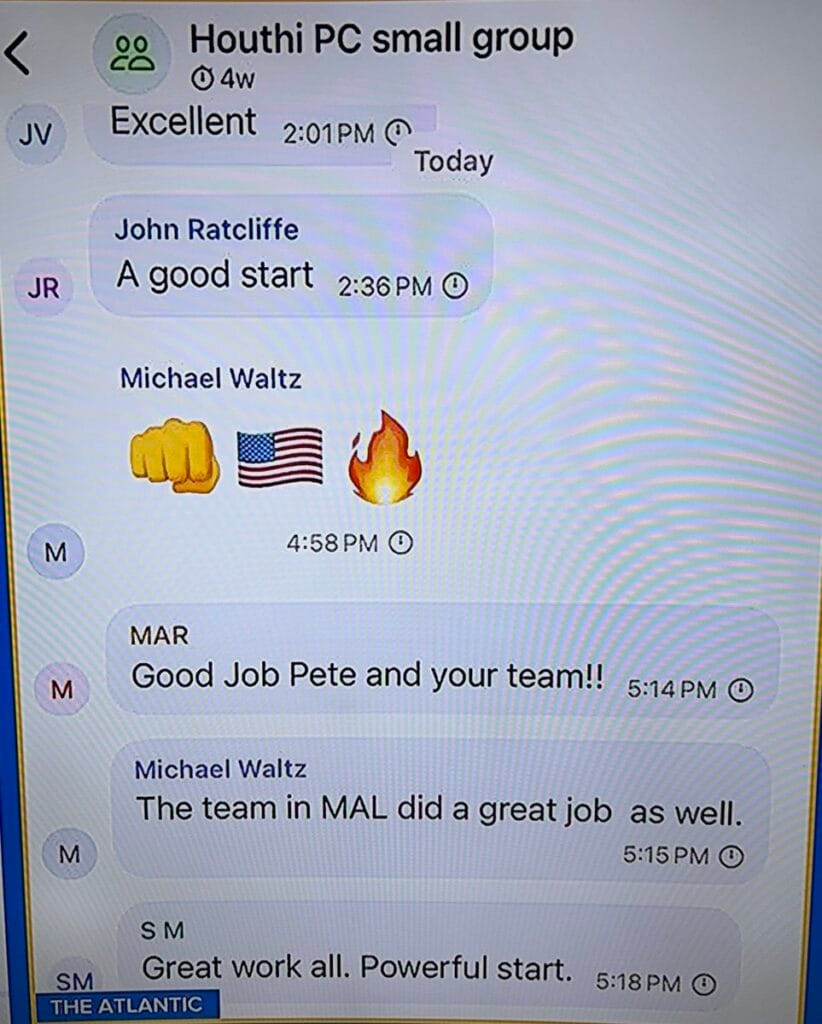
The breach came to light when The Atlantic’s editor-in-chief, Jeffrey Goldberg, revealed that he had inadvertently been added to a group chat among senior members of the Trump administration’s national security team. The chat, which discussed an imminent U.S. military strike on Houthi targets in Yemen, was observed by Goldberg, who claims he was mistakenly included by White House National Security Adviser Michael Waltz.
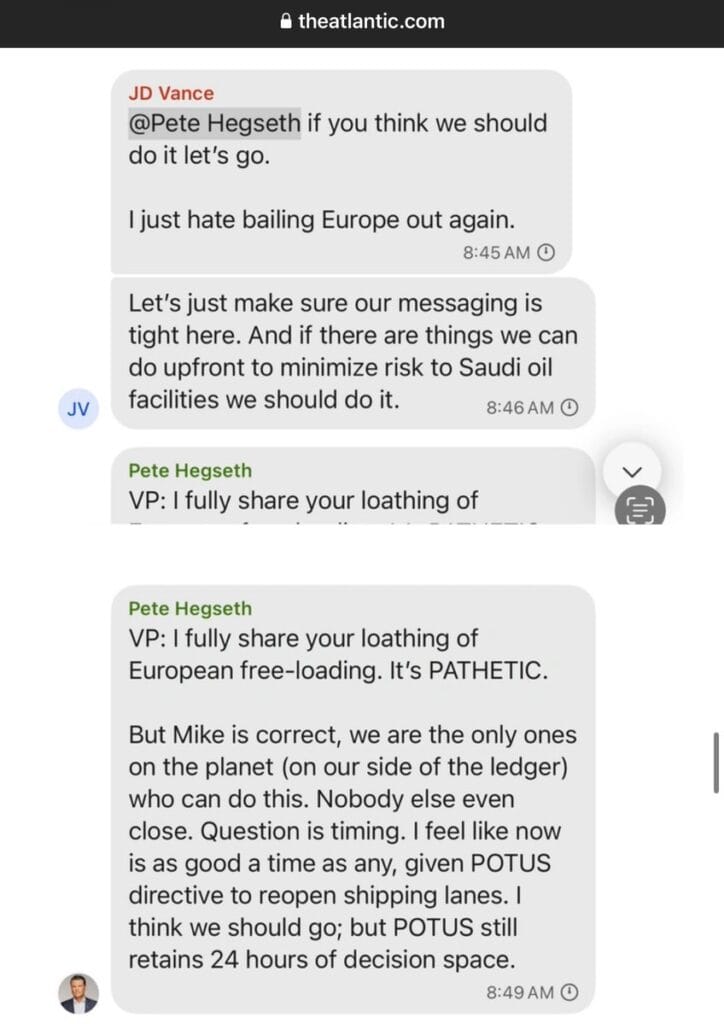
The conversation, which included top figures such as Vice-President JD Vance, CIA Director John Ratcliffe, White House Chief of Staff Susie Wiles, and Defense Secretary Pete Hegseth, laid bare the inner workings of the administration’s decision-making process. According to Goldberg, the group exchanged congratulatory messages and emojis after the strikes took place on March 15, 2025. While the operation was deemed a success by officials, the revelations surrounding the leak have sparked a political firestorm.
A National Security Breach
The fact that an outsider, let alone a journalist, could gain access to such sensitive discussions represents a stunning failure of operational security. The leak of private deliberations could have put U.S. interests and personnel at risk, and such conversations being conducted on unsecured channels—outside of secure government communication platforms—may have violated the Espionage Act, which governs the handling of classified information.
Senator Mark Warner of Virginia, a ranking Democrat on the Senate Intelligence Committee, described the administration’s actions as “playing fast and loose with our nation’s most classified info,” stating that such behavior makes the country less safe. Congressman Chris Deluzio of Pennsylvania called for a full congressional investigation into the matter, highlighting the gravity of the breach. Even Republicans, such as Congressman Don Bacon, expressed their outrage, calling the actions “unconscionable” and pointing out that Russia and China would likely have intercepted these unclassified communications.
The Fallout: Political and Security Implications
In the wake of the leak, the White House was quick to defend its national security team. Trump, when asked about the breach, feigned ignorance, claiming that it was the first he had heard of it. The White House emphasized the success of the military operation, which may help mitigate some of the political fallout from the embarrassing leak. Still, the controversy surrounding the mishandling of classified information remains a significant concern.
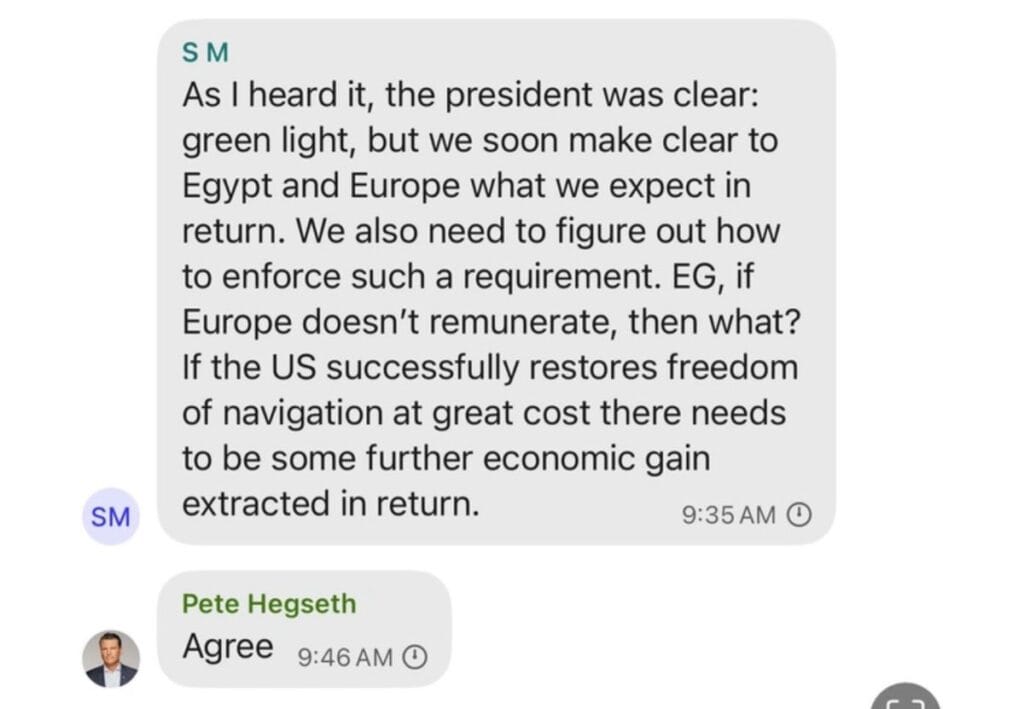
Vice-President JD Vance’s participation in the chat further fueled the controversy. Although he has publicly supported Trump’s foreign policy, Vance expressed private reservations about the strike. He questioned the administration’s decision, pointing out that the Houthi forces targeted in Yemen posed a minimal threat to American interests and warned of the potential consequences for global oil prices. Vance later stated that he would “keep these concerns to myself,” but the private disagreement within the administration adds another layer of complexity to the situation.
Historical Context: A Pattern of Mishandling Sensitive Information
This is not the first time the handling of sensitive national security material has come under scrutiny. Previous administrations, including those of both Trump and President Joe Biden, have faced investigations over the possession of classified information after leaving office. Trump, in particular, faced a special counsel investigation for allegedly retaining classified documents at his Mar-a-Lago residence.
Similarly, the 2016 Hillary Clinton email scandal—where classified materials were sent through a private email server—became a significant issue during the presidential campaign. The revelation of Clinton’s unsecured communication and the exposure of classified information tarnished her candidacy and brought attention to the risks of mishandling sensitive material.
The Political and Security Consequences
The breach of this group chat serves as a stark reminder of the importance of safeguarding classified information and the potential risks posed when such information is handled carelessly. The revelation of sensitive national security discussions, particularly in real time, exposes vulnerabilities in U.S. defense operations that could be exploited by adversaries.
In the wake of the Signal leak, it is clear that operational security within the Trump administration failed at a critical moment. The inability to safeguard private communications has sparked widespread outrage, leading to calls for greater accountability and transparency.
As both Democrats and Republicans grapple with the implications of this breach, one thing remains clear: the handling of sensitive information must be treated with the utmost care to ensure that national security is not compromised. The ramifications of this failure are yet to be fully realized, but the damage to the integrity of the administration’s national security apparatus could have far-reaching consequences.
A Wake-Up Call for Operational Security
The Trump national security team’s group chat leak is a stunning reminder of the risks involved in handling classified information. It underscores the need for stronger operational security protocols to prevent similar breaches in the future. As the investigation into the matter unfolds, it is crucial for those in positions of power to learn from this failure and take steps to ensure that the security of U.S. national interests is never compromised again.
This incident serves as a crucial lesson for future administrations: the stakes are high when it comes to national security, and even the smallest oversight can have catastrophic consequences.