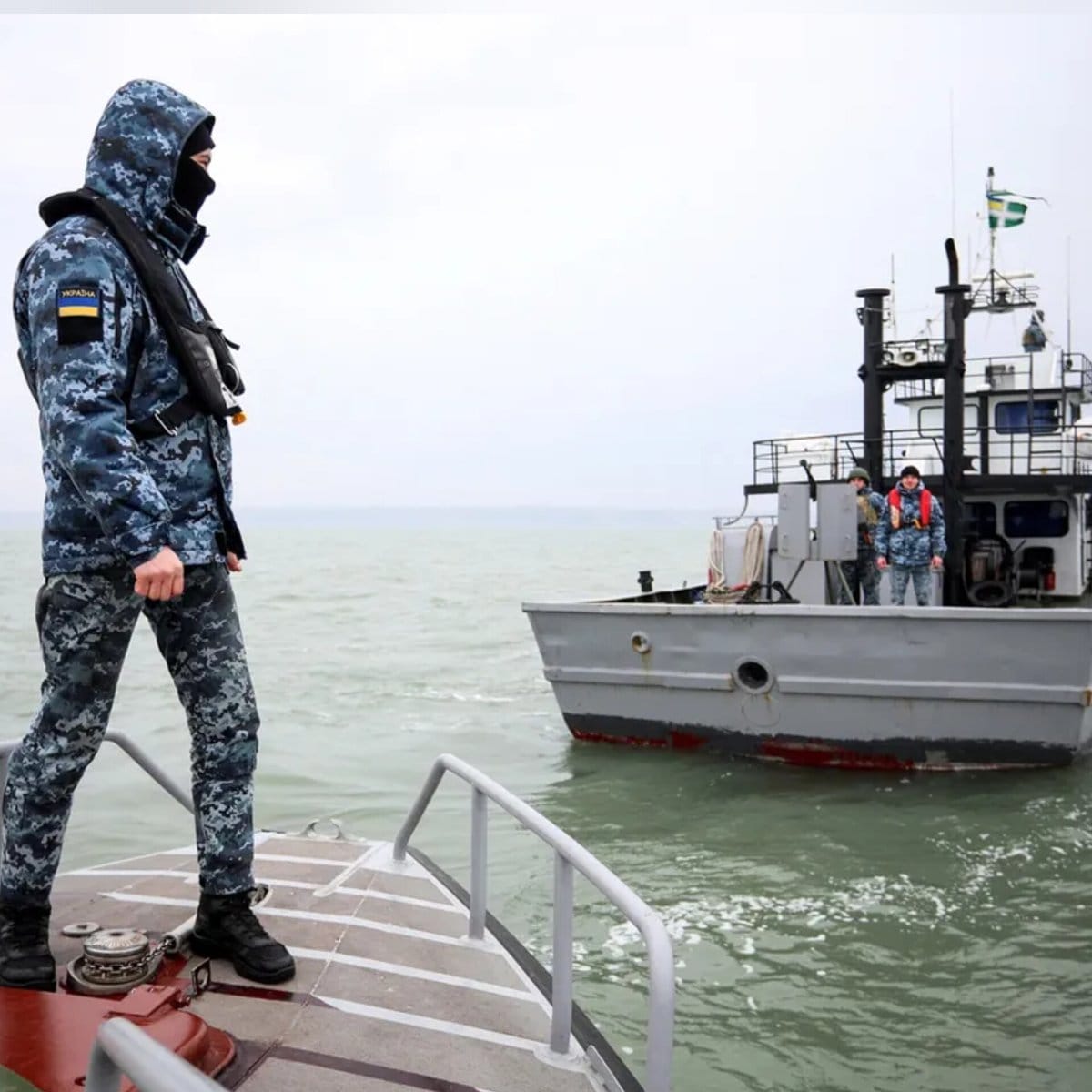
After three days of peace talks in Saudi Arabia, Russia and Ukraine have reached a significant agreement—a naval ceasefire in the Black Sea. The deal was brokered separately through the United States and marks a major step forward in the ongoing conflict that has shaken the region for over a year.
Key Details of the Naval Ceasefire Agreement
The agreement, announced by the White House, states that both Russia and Ukraine have committed to a temporary halt in naval hostilities. This ceasefire will open up important trade routes in the Black Sea, which has been a critical zone for shipping and commercial activities, especially for grain and fertilizer exports from both countries.
The deal comes with the promise of further discussions aimed at ensuring a “durable and lasting peace,” according to US officials. Notably, both countries have also agreed to “develop measures” to implement a previous agreement aimed at preventing attacks on each other’s energy infrastructure—a crucial aspect, considering the ongoing damage to power grids, energy facilities, and nuclear plants due to the war.
Russia’s Conditions for Ceasefire
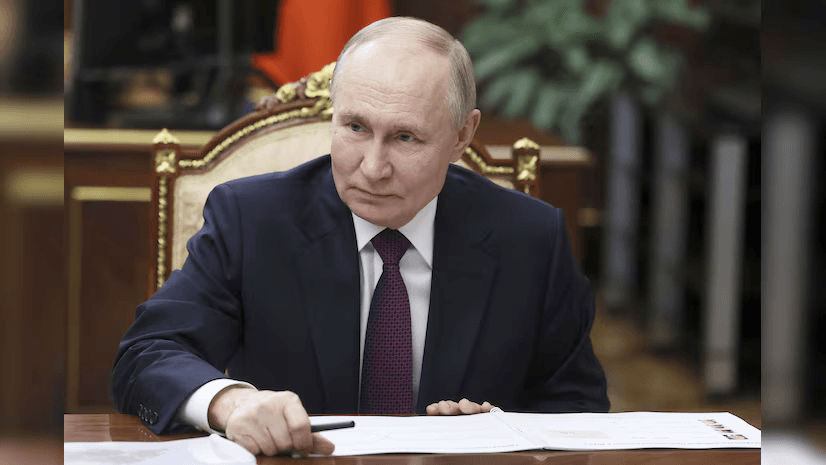
While the agreement is significant, Russia has made it clear that the ceasefire will not come into full effect until sanctions against its food and fertilizer exports are lifted. Moscow’s demands include the removal of restrictions on Russian banks, producers, and exporters involved in the international agricultural market. Specifically, Russia is calling for the reconnection of key banks to the SwiftPay payment system and the lifting of restrictions on agricultural machinery supplies.
The White House has stated that the US will assist in restoring Russia’s access to global markets for food and fertilizer exports, but the timeline for these actions is still unclear. This adds an element of uncertainty to the overall ceasefire agreement and its potential effectiveness.
Ukrainian Response: A Cautious Optimism
Ukrainian President Volodymyr Zelensky expressed cautious optimism about the ceasefire agreement, calling it “a step in the right direction.” However, he acknowledged that it was too early to say if the agreement would hold. Zelensky also responded to previous accusations from former US President Donald Trump, who had claimed that Ukraine was blocking a peace deal. “No one can accuse Ukraine of not moving towards sustainable peace after this,” Zelensky said during a press conference in Kyiv.
Concerns Over Russia’s Compliance
Despite the positive tone from Ukraine’s leadership, the Kremlin’s demands for the lifting of sanctions could complicate the peace process. Zelensky has already stated that if Russia fails to honor its commitments, Ukraine would push for stronger sanctions and additional military support from the US. There is also concern about Russia’s stance on energy infrastructure; both countries have previously accused each other of violating agreements, especially in relation to strikes on power plants and energy infrastructure.
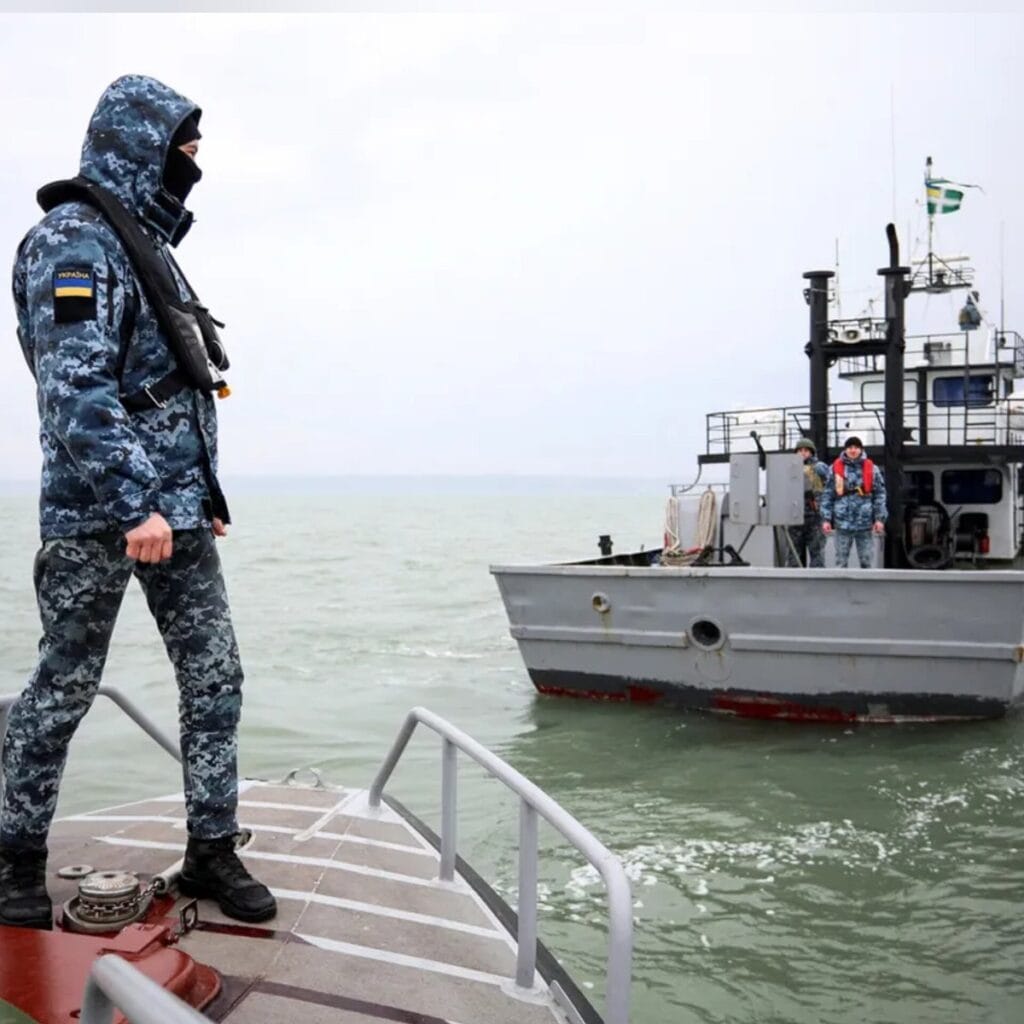
Ukraine’s Defense Minister, Rustem Umerov, warned that if Russia’s warships venture beyond the “eastern part of the Black Sea,” it would be considered a violation of the ceasefire agreement and an immediate threat to national security. This adds another layer of complexity to the ceasefire, highlighting the delicate balance required to maintain peace.
The Black Sea Grain Deal: A Ray of Hope for Global Food Security
The Black Sea has long been a vital route for grain exports, especially for Ukraine and Russia—two of the world’s leading grain producers. The war has led to a severe disruption in global food supplies, with grain prices soaring and food security at risk in several countries. A previous deal, known as the Black Sea Grain Initiative, allowed cargo ships to safely navigate the Black Sea, facilitating the movement of essential food products like grain and sunflower oil. This deal was implemented in 2022 but collapsed in July 2023 after Russia pulled out, citing unfulfilled provisions.
The new ceasefire and renewed commitment to grain exports are crucial for global food security. Ukraine’s agricultural exports, especially grain, are pivotal in feeding millions of people worldwide, and a restored trade route could alleviate the global food crisis caused by the war.
The Road Ahead: Challenges and Opportunities for Peace
The naval ceasefire agreement is a significant development, but it’s far from a comprehensive peace deal. The success of this agreement hinges on Russia’s adherence to its demands regarding sanctions, as well as the continued cooperation between Russia and Ukraine. For Ukraine, the threat of further Russian aggression remains high, and it will continue to seek stronger international support to ensure its sovereignty and security.
The US role as a mediator in this peace process is essential, but both Moscow and Kyiv must navigate a complex web of geopolitical interests and historical grievances. Ultimately, while this ceasefire agreement represents a hopeful step forward, the path to lasting peace is still uncertain, and it will take sustained diplomacy, cooperation, and commitment from all parties involved.