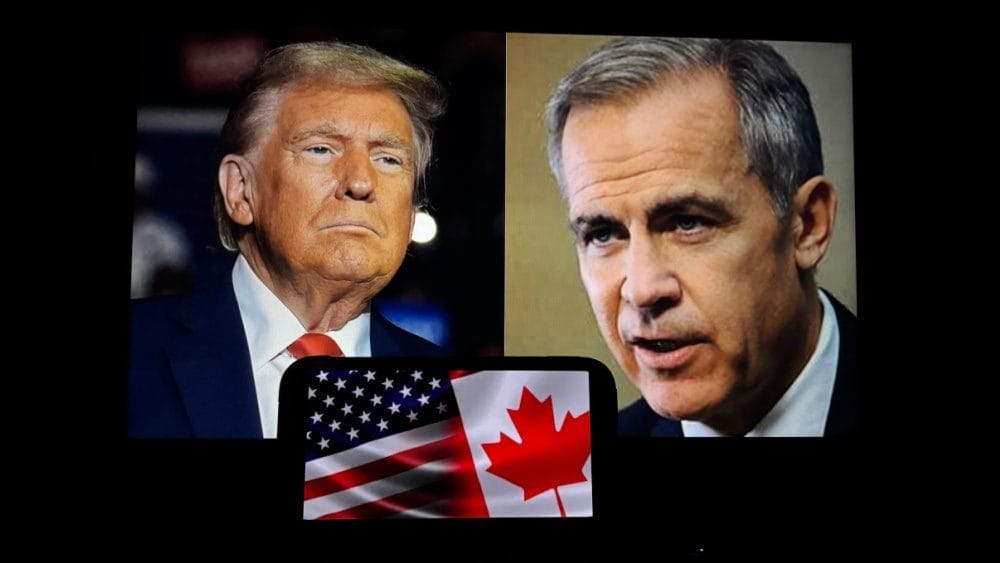
In a bold statement on Thursday, Canadian Prime Minister Mark Carney voiced his concerns about the United States’ approach to trade, saying that the U.S. is “no longer a reliable partner” in the global economy. His remarks came in direct response to new trade tariffs imposed by U.S. President Donald Trump, specifically a 25% tariff on cars and parts imported into the United States. Carney emphasized that Canada would vigorously defend its workers, businesses, and economy, and in doing so, the country would seek to expand its trade relationships with other nations.
This shift in trade dynamics has sent ripples across global markets, particularly in the automobile industry, where the effects of the tariff threat are still unfolding. Here’s a breakdown of what this means for Canada, the U.S., and the wider global economy.
A New Era of Trade Tensions
Carney’s comments came at a time when President Trump’s proposal to levy a 25% tariff on automotive imports has raised serious concerns among global automakers. The move is expected to affect both American and foreign manufacturers, especially those based in countries like Canada, Mexico, South Korea, Japan, and Germany. The ramifications of this tariff could disrupt decades of trade partnerships and supply chains that were previously bolstered by free trade agreements.
In his press conference, Prime Minister Carney was firm in his stance: “Nothing is off the table as we defend our workers and our country.” This indicates Canada’s readiness to retaliate and protect its economic interests. Next week, Canada is expected to announce its own retaliatory tariffs against the United States, setting the stage for a potential trade war between two of the world’s largest economies.
The Global Auto Industry on Edge
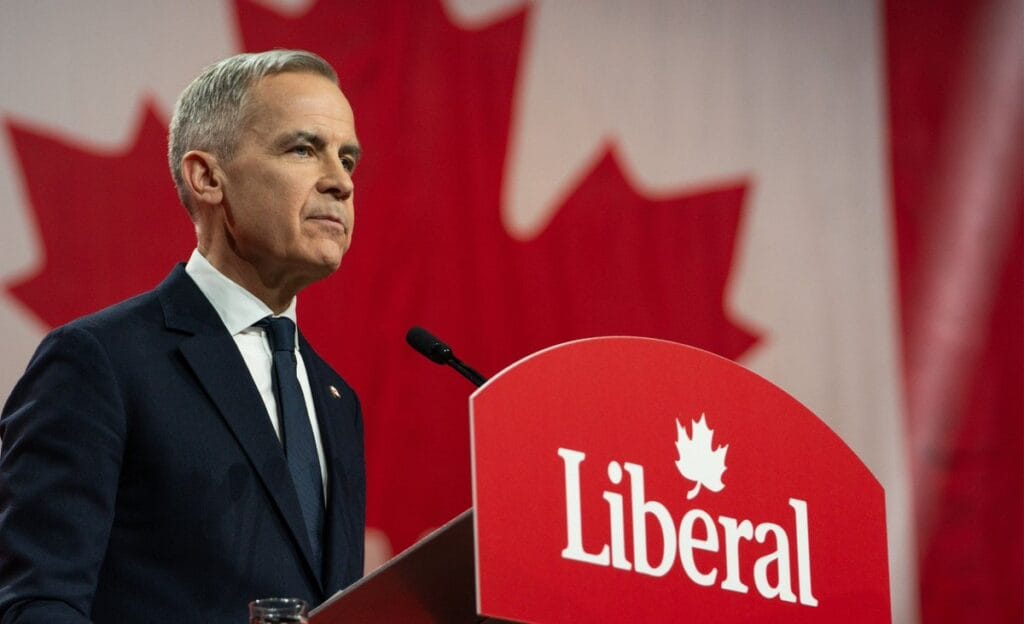
The new tariffs have already caused a stir in the automotive sector. With nearly 50% of all vehicles sold in the U.S. being imported, the impact on global manufacturers could be devastating. Companies that have long depended on cross-border networks for assembling vehicles may find themselves forced to reconsider their strategies. Some of the hardest-hit companies include automakers based in Germany, Japan, and South Korea, whose vehicles are among the best-sellers in the U.S.
Automotive stocks took a hit across global markets on Thursday, with shares in major U.S. manufacturers like General Motors and Ford experiencing significant declines. General Motors saw its stock fall by more than 7%, while Ford and Stellantis both dropped by 2 to 3%. These market tremors reflect the uncertainty surrounding the long-term impact of President Trump’s tariff proposals.
The Costs for Consumers
The tariffs are not just a headache for automakers—they will also likely drive up prices for U.S. consumers. The cost of imported cars, trucks, and essential auto parts is expected to rise, possibly by thousands of dollars. While the precise timeline for these price hikes remains unclear, it’s widely expected that certain models will be more heavily impacted than others. Consumers will need to brace themselves for a potential surge in prices, which could dampen demand and ultimately affect the broader economy.
The International Backlash
The international response to these tariffs has been mixed but resolute. Countries like South Korea and Japan have made substantial investments in the U.S. in an effort to shield themselves from the tariffs’ effects. Meanwhile, Mexico, which is also heavily reliant on the U.S. for automobile exports, has taken defensive measures, including deploying troops to its southern border.
On the European front, officials have proposed talks to avoid a trade war, signaling a desire for diplomacy to resolve the escalating trade tensions. However, these efforts have not yet yielded a clear path forward, and the threat of further tariff increases continues to loom large.
What’s Next for Canada and the U.S.?
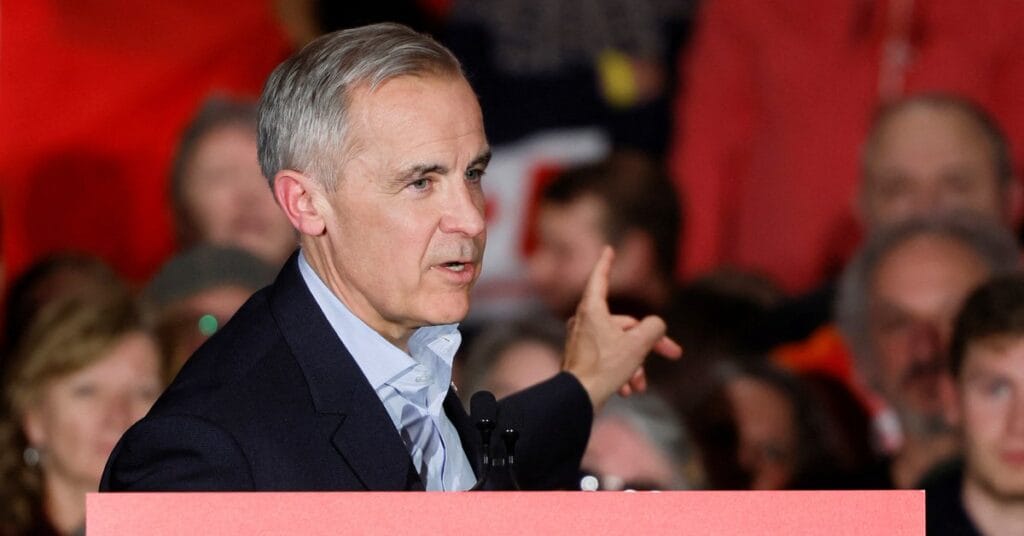
As Prime Minister Carney pointed out, Canada’s response to these developments will not be passive. The Canadian government has made it clear that it will do whatever it takes to safeguard its economy, businesses, and workers. Whether through retaliatory tariffs or increased trade with other countries, Canada is signaling that it is ready to pivot away from reliance on the U.S. if necessary.
For the U.S., the situation remains volatile. President Trump’s threats to impose even larger tariffs on Canada and the European Union, should they attempt to counteract U.S. actions, only add to the uncertainty. The global community is watching closely to see how this situation unfolds, as the consequences of these trade policies could have far-reaching effects.
Conclusion: A Shift in Global Trade Dynamics
Canada’s Prime Minister Mark Carney’s declaration that the U.S. is no longer a reliable trade partner signals a dramatic shift in the global trade landscape. As both countries brace for potential retaliation, the automotive industry and consumers are set to feel the pressure. It remains to be seen whether these tensions will lead to a broader trade war or if diplomatic efforts can de-escalate the situation.
What is clear, however, is that trade relationships around the world are being reshaped in real-time. With countries like Canada exploring alternative trading partners and businesses reassessing their supply chains, the future of global trade is more uncertain than ever before.