The Trump administration has recently deported 17 more alleged gang members to El Salvador, according to the US State Department. Despite ongoing legal battles, including a temporary restraining order issued by a federal judge, the deportations have continued, raising significant concerns among legal and human rights advocates.
Deportations Amid Legal Uncertainty
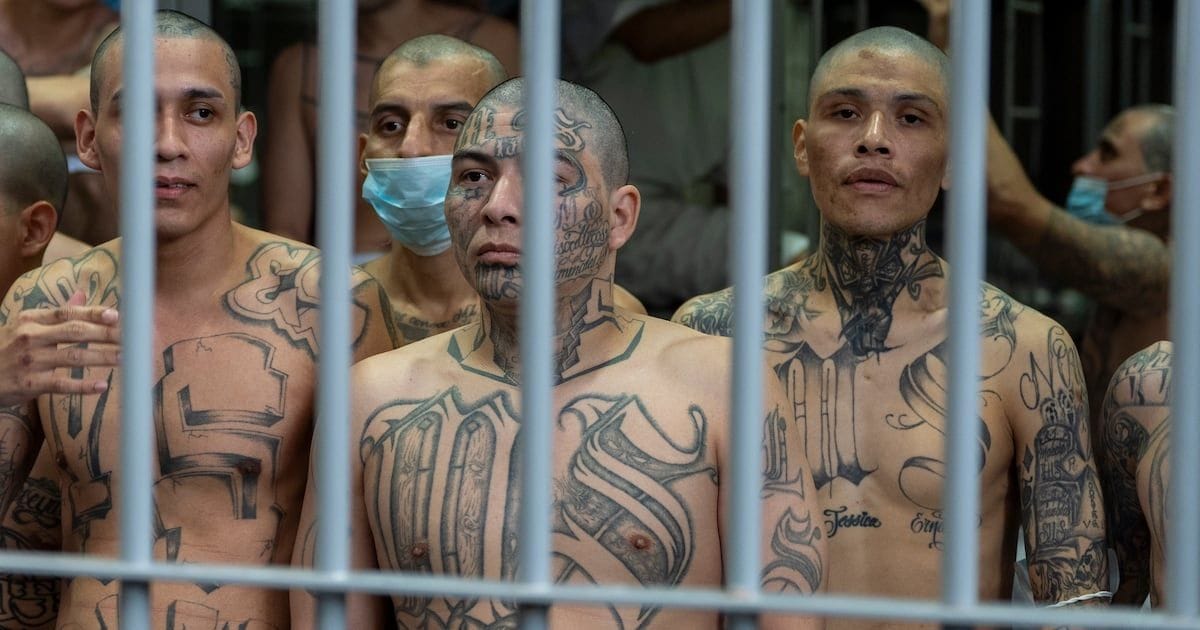
This new group of deportees includes members of notorious gangs such as Tren de Aragua and MS-13. US Secretary of State Marco Rubio confirmed that the individuals deported were involved in serious criminal activities, including murder and sexual assault. However, the State Department has not provided specific details about their convictions or crimes.
The legal landscape surrounding these deportations is complicated. Earlier this month, a court ordered a halt to deportations carried out under the Alien Enemies Act, a law dating back to 1798 that was historically only used during wartime. Despite this order, reports indicate that the recent deportations were carried out under general immigration laws, bypassing the constraints set by the court.
El Salvador’s Supermax Prison and Controversial Deportations
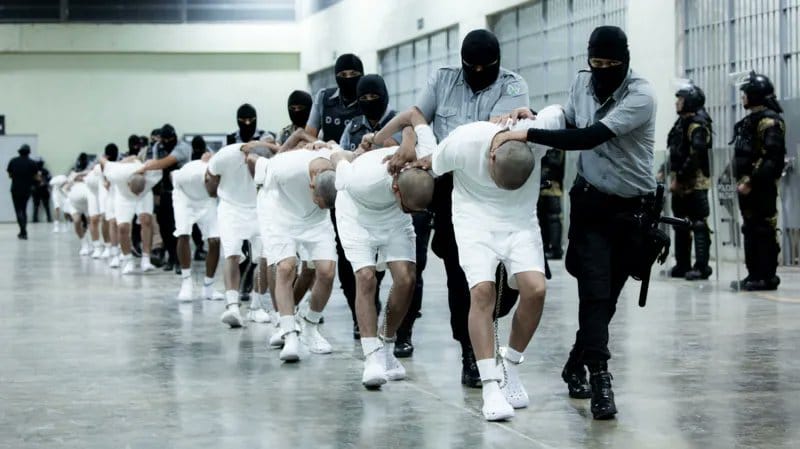
El Salvador’s supermax prison, known for housing some of the country’s most dangerous criminals, has been the destination for many deported individuals. President Nayib Bukele of El Salvador shared a dramatic video showing the deportees being shackled, having their heads shaved, and being placed in prison cells. Bukele claimed that the deportees were confirmed murderers, including six convicted child rapists, framing the deportations as a crucial step in combating terrorism and organized crime.
Trump, in a post on social media, thanked President Bukele for offering a “wonderful place to live” for the deported individuals and blamed the previous administration for allowing them into the US in the first place.
Financial Agreements and Family Denials
In exchange for accepting deportees, El Salvador has reportedly received a $6 million payment. However, some family members of those already sent to the country’s maximum-security prison have denied allegations that their relatives were gang members, raising questions about the fairness of these deportations.
Legal Challenges and Human Rights Concerns
The deportations are being heavily scrutinized by civil rights organizations. Following the deportation of over 100 Venezuelans earlier this month under the Alien Enemies Act, the American Civil Liberties Union (ACLU) filed a legal challenge, arguing that the immigrants were denied due process. This legal battle continues, with the next hearing scheduled for Thursday.
In response to these concerns, US federal judge James Boasberg temporarily halted the use of the Alien Enemies Act for deportations, ordering that any flights already in the air be turned around. Despite this, the Trump administration has continued with its deportation efforts, arguing that they are necessary for national security and crime prevention.
A Divisive Issue
The deportation of alleged gang members to El Salvador is a contentious issue, with strong arguments on both sides. Supporters argue that it is necessary to combat organized crime and prevent dangerous individuals from remaining in the United States. However, critics point to the legal and human rights implications of deporting individuals without due process, particularly when they are sent to a country with a notorious record of human rights abuses.
As the legal battles continue and the situation evolves, it remains to be seen how the US government will navigate these complex issues. One thing is clear, though: the deportation of alleged gang members to El Salvador will likely remain a hotly debated topic for the foreseeable future.