A devastating earthquake has rocked Myanmar and neighboring Thailand, leaving a trail of destruction, causing widespread damage to infrastructure, and claiming over 150 lives. The powerful tremor struck Myanmar’s ancient capital, Mandalay, and its neighboring areas, followed by a series of aftershocks that further amplified the devastation.
Myanmar: The Hardest-Hit Country
The earthquake, measuring a magnitude of 7.7, hit Myanmar at around 12:50 pm local time (06:20 GMT). The tremor’s intensity was shocking, leaving many stunned and fearful as it caused buildings to collapse and roads to crack. The government of Myanmar, led by Senior General Min Aung Hlaing, confirmed at least 144 deaths, with over 730 injured in various regions.
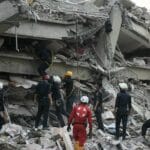
Naypyidaw, Myanmar’s current capital, was severely impacted. Images from the city showed several buildings, including government offices, destroyed. Rescue teams rushed to pull victims from the rubble, offering little comfort amidst the scale of the disaster.
In addition to the human toll, Myanmar’s infrastructure also took a major hit. Key areas like Mandalay, Sagaing, and Naypyidaw saw widespread damage, including the collapse of bridges and the Ma Soe Yane Monastery, one of Mandalay’s most significant religious landmarks. The quake’s destruction extended to residential areas and local businesses, leaving many in dire need of aid.
Thailand: Severe Impact and Casualties
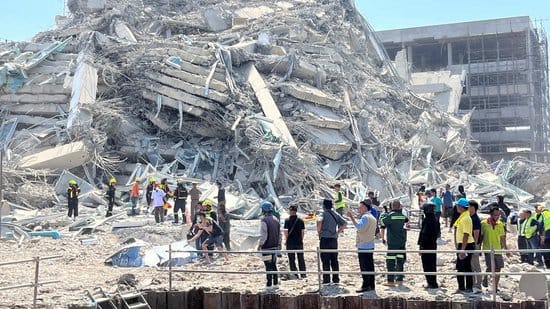
The earthquake’s destructive force also reached Thailand, where at least 10 people were confirmed dead. Bangkok, the capital city, was significantly affected, with a 33-storey building near the Chatuchak Market collapsing in a cloud of dust. Reports indicated that 8 of the fatalities were due to the building’s collapse, with between 90 to 110 people still unaccounted for.
In the heart of Bangkok, chaos ensued as buildings shook, traffic came to a standstill, and the urban rail system was temporarily suspended. The Thai government declared a state of emergency, while city officials in Bangkok labeled the area a disaster zone.
A Widespread State of Emergency

Both Myanmar and Thailand declared states of emergency, with emergency teams deployed to assist in search and rescue operations. In Myanmar, blood donations were urgently requested for hospitals, particularly in Mandalay and Naypyidaw, where the need for medical supplies is overwhelming. In addition to civilian casualties, the destruction of infrastructure, such as roads and power lines, has hindered relief efforts.
The damage wasn’t limited to Myanmar and Thailand; tremors from the earthquake were also felt in China, particularly in the Yunnan and Sichuan provinces. Ruili, a city located near Myanmar’s border, reported injuries and structural damage, with emergency responders attending to the situation.
Humanitarian Response and Global Support
The earthquake has left the region, particularly Myanmar, in a state of devastation. Organizations like Christian Aid, the Red Cross, and the World Health Organization (WHO) have pledged support, focusing on providing trauma supplies and emergency relief to the hardest-hit areas. According to WHO spokeswoman Margaret Harris, the earthquake poses a significant threat to life and health, with large numbers of injured individuals requiring urgent medical attention.
A Call for Global Support
Myanmar’s military government has appealed for international assistance, urging other nations to offer support in terms of donations and humanitarian aid. The scale of the disaster has prompted an outpouring of sympathy and solidarity from around the world.
As the situation continues to unfold, the international community’s response will be crucial in alleviating the suffering of those impacted by the earthquake. The coming days will reveal the full extent of the damage and the challenges of rebuilding affected regions.