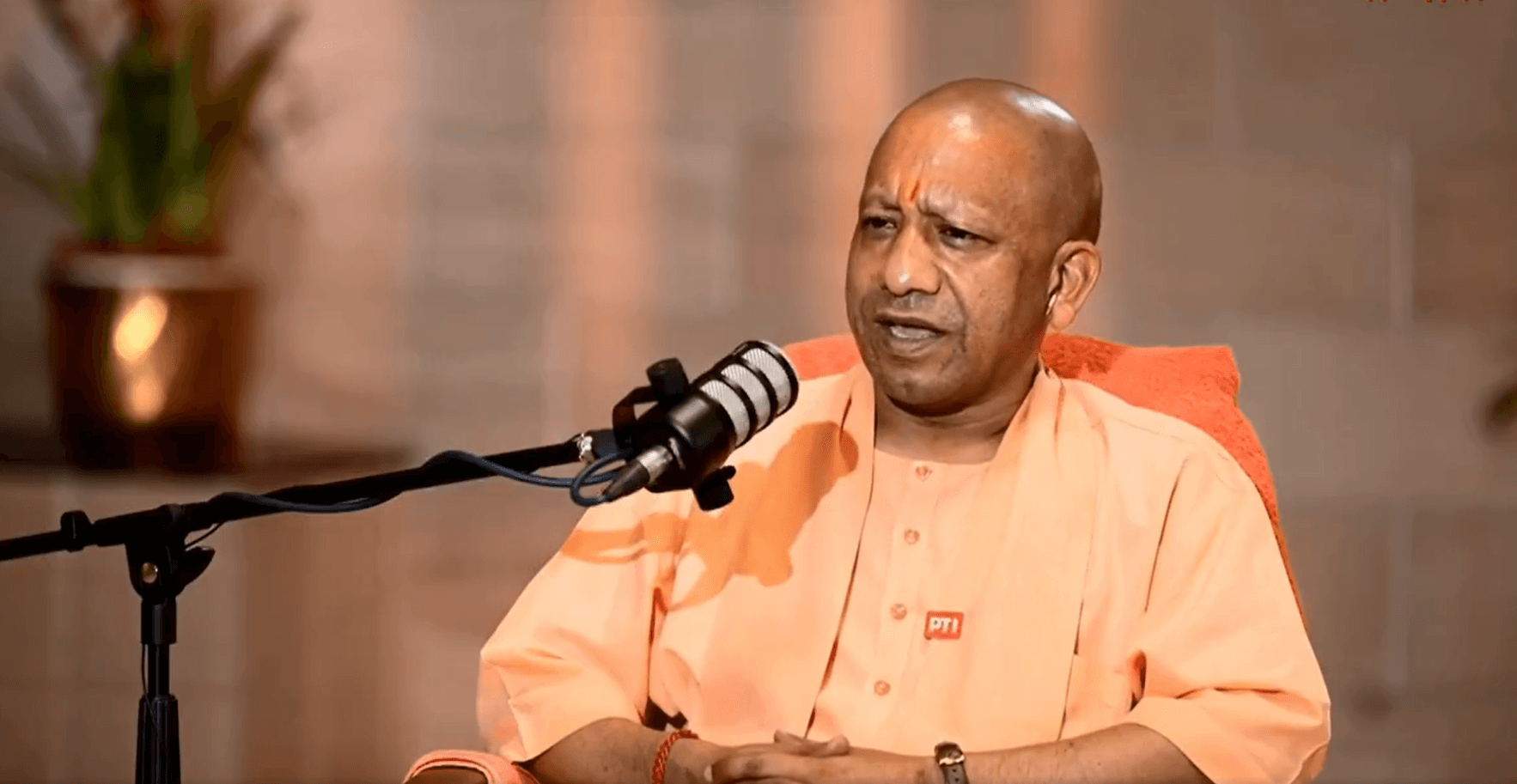
In a recent interview with PTI, Uttar Pradesh Chief Minister Yogi Adityanath addressed the growing speculation about his future in national politics. He firmly dismissed the idea of stepping into the role of Prime Minister, emphasizing that “politics is not a full-time job” for him. Adityanath, who is known for his strong leadership and spiritual commitment, made it clear that his primary responsibility remains with the people of Uttar Pradesh, a role assigned to him by his party.
Politics is Just a Part of His Life
Yogi Adityanath took a step back from the buzz surrounding his potential rise to the top national political post, stating, “I am the Chief Minister of Uttar Pradesh, and the party has placed me here to serve the people of the state.” His comment reflects his dedication to the state and his focus on fulfilling his duties as the head of the state government.
When asked about the growing support for him as a potential prime minister, Adityanath responded with characteristic humility. He said, “Politics is not a full-time job for me. Ultimately, I am a Yogi (monk) at heart.” This statement resonates with his spiritual background, as he has always identified as a monk before his foray into politics.
A Yogi at Heart: Balancing Spirituality and Politics
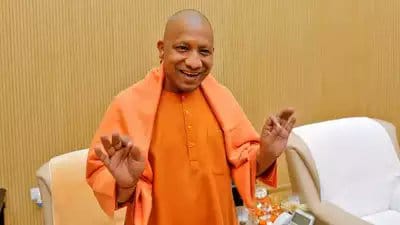
The Chief Minister also spoke about the intersection of religion and politics, a topic that often sparks debate in Indian political discourse. He explained, “We limit religion to a confined space and restrict politics to a handful of people, and that is where the problem arises.” According to Adityanath, politics should not be driven by self-interest. Instead, it should be for the greater good, as he believes that the true purpose of both religion and politics is to serve others and promote progress.
For Adityanath, politics is not merely about power or self-aggrandizement. He views it as a platform to advance the spirit of service, a value he believes is deeply embedded in Indian philosophical thought. “The Indian philosophical thought has never linked religion with selfish motives. The organization exists to create both secular advancement pathways as well as paths to spiritual enlightenment, according to the leader’s comments.
Politics and Religion: A Higher Purpose
Yogi Adityanath shared his perspective on how religion, when pursued with self-interest, can lead to problems. However, when pursued for a higher purpose, it can create avenues for progress and welfare. This aligns with his broader philosophy of serving the nation and its people.
He further clarified his stance on religion and politics by stating, “For me, the nation is paramount. The safety of the nation guarantees protection for my faith. When religion is secure, the path to welfare automatically opens.” This reflects his belief that political leadership should be for the well-being of the nation, not for personal gain or to serve narrow interests.
A Legacy Beyond a Name
In response to a question about his legacy, Adityanath downplayed the importance of personal recognition. He said, “It is not the name but the work that should be remembered. One’s identity should be through their work, not their name.” This statement reflects his view that true success is measured by one’s contributions to society and the positive impact left behind, not by fame or status.