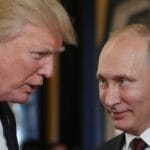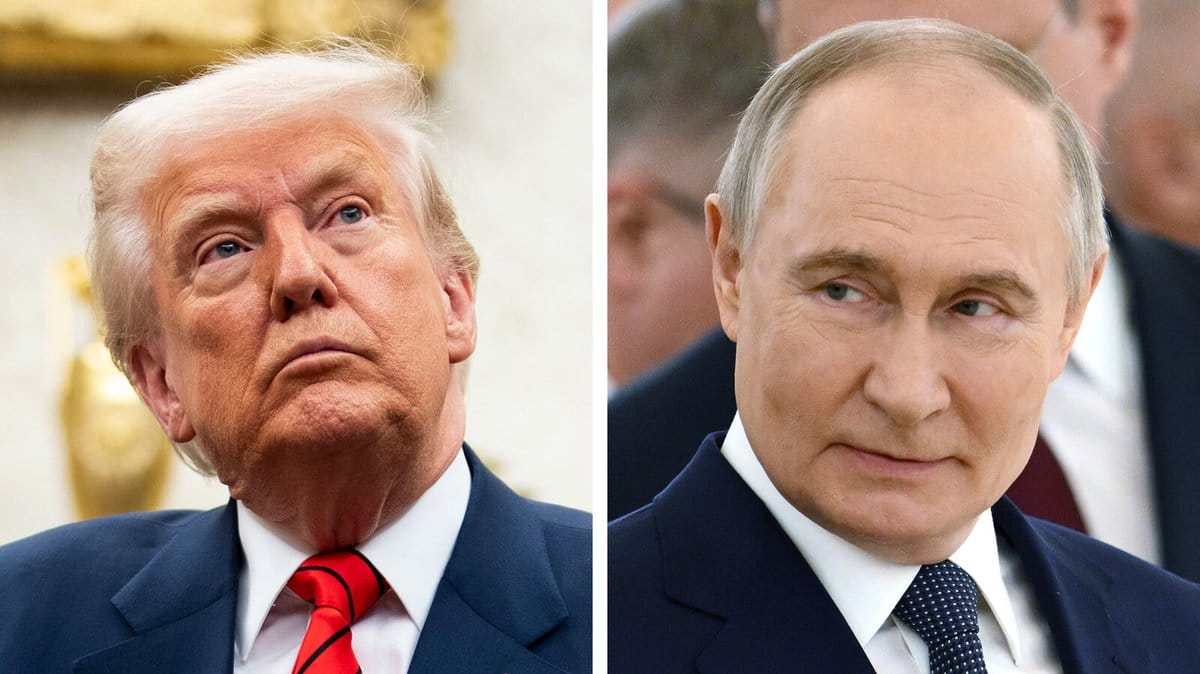
In a recent call with US President Donald Trump, Russian President Vladimir Putin agreed to pause attacks on Ukraine’s energy infrastructure. However, Putin rejected the idea of a full, immediate ceasefire. This marks a significant development in the ongoing conflict between Russia and Ukraine.
No Full Ceasefire Yet
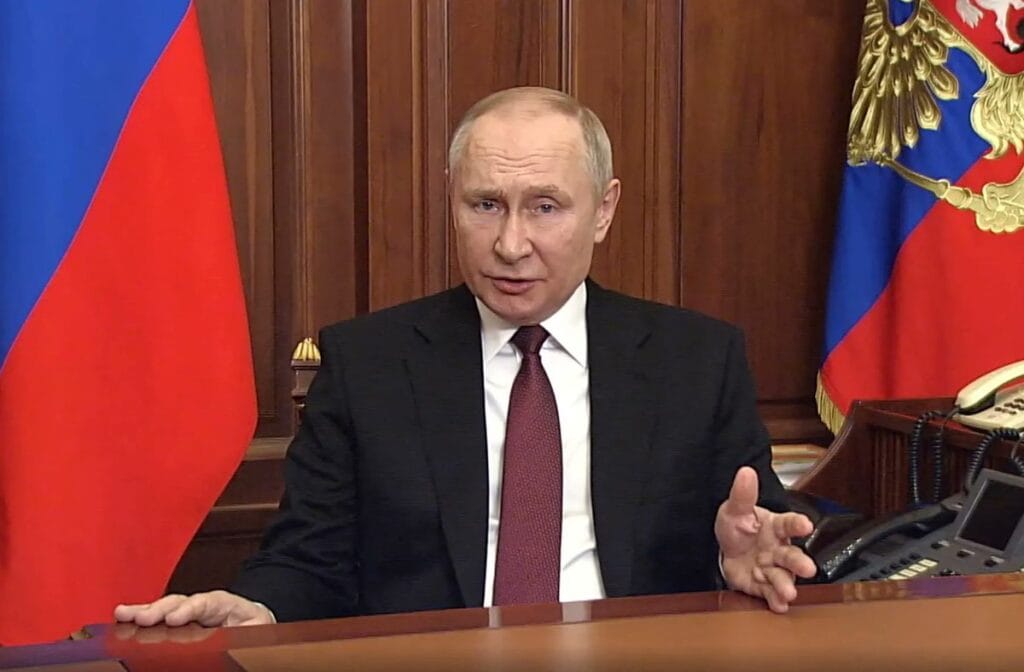
While Putin agreed to halt energy infrastructure attacks, he made it clear that a comprehensive ceasefire was not on the table. The Russian leader insisted that a full ceasefire could only happen if foreign military aid and intelligence sharing with Ukraine ended. Ukraine’s European allies have already rejected these conditions, making a full ceasefire unlikely in the immediate future.
Continued Peace Talks
Despite the setback, both leaders agreed that further peace talks would continue. These discussions are scheduled to take place in Jeddah, Saudi Arabia, with US talks on Ukraine set to resume on Sunday. While the US delegation had earlier convinced Ukraine to accept a 30-day ceasefire proposal, the focus now shifts to securing a longer-term peace agreement.
Ukraine’s Response
Ukrainian President Volodymyr Zelensky, who was in Finland for an official visit when the call took place, expressed openness to the idea of a truce focused on energy infrastructure. However, he sought more details before agreeing. Zelensky also criticized Putin for rejecting a full ceasefire, citing Russian drone attacks that targeted civilian infrastructure, including hospitals in Sumy and power supplies in Slovyansk.
Trump’s Perspective
On social media, President Trump called the conversation with Putin “very good and productive,” noting that elements of a “Contract for Peace” were discussed. Trump emphasized that both leaders had agreed to an immediate ceasefire on energy infrastructure, with plans for further negotiations toward a complete ceasefire and the end of the war.
Energy Infrastructure Impact
The impact of the conflict on Ukraine’s energy infrastructure has been devastating. Nearly 80% of the country’s energy facilities were destroyed by Russian bombings. In retaliation, Ukraine has conducted drone and missile strikes deep into Russian territory, targeting oil and gas facilities. This ongoing cycle of attacks highlights the difficulties in reaching a lasting ceasefire.
Russia’s Conditions
The Kremlin’s statement following the call outlined several significant issues around enforcing any agreement with Ukraine. A major condition for Russia is the end of foreign support and intelligence sharing with Ukraine. Putin has consistently insisted that Russia should retain control of the Ukrainian territory it has seized, and he has called for the easing of Western sanctions as part of any eventual peace settlement.
Global Reactions
The international community remains divided on how to move forward. German Chancellor Olaf Scholz has expressed support for the limited ceasefire plan but reiterated the need for a full ceasefire. Meanwhile, British Prime Minister Sir Keir Starmer reaffirmed the UK’s commitment to supporting Ukraine in the wake of the Trump-Putin call.