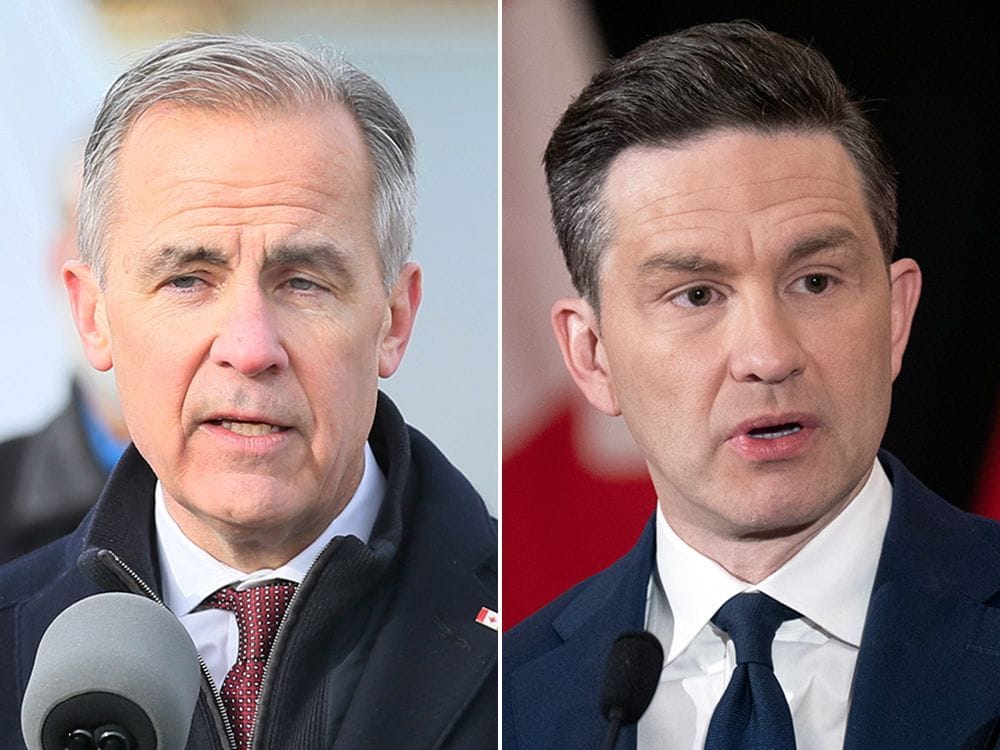
Canada’s newly appointed Prime Minister Mark Carney has called a snap election, set for April 28, 2025, which will bring voters to the polls amid a tense political atmosphere. The election comes at a time when the country is embroiled in a trade war with the United States and dealing with President Donald Trump’s calls for Canada to become the 51st American state. These issues are set to dominate the campaign, with Carney and his main opponent, Conservative leader Pierre Poilievre, vying for the nation’s leadership.
A Crucial Moment for Carney and Canada
Prime Minister Carney, a former governor of both the Bank of England and the Bank of Canada, was sworn in just nine days ago after Justin Trudeau’s resignation. At 60 years old, Carney is untested politically, having never served as a Member of Parliament. His swift rise to power, however, has been marked by his diplomatic meetings with international leaders, including UK Prime Minister Keir Starmer and French President Emmanuel Macron. He has also made key policy decisions, such as ending Trudeau’s controversial carbon tax and establishing a partnership with Australia to develop a new northern radar system.
Yet, Carney’s tenure has been overshadowed by the looming shadow of President Donald Trump. Carney has been vocal about the risks the trade war poses to Canada’s sovereignty and economic stability, calling Trump’s actions “unjustified.” At a rally in St. John’s, Newfoundland, and Labrador, he used a beloved Canadian sport analogy to express confidence in Canada’s position, saying, “In this trade war, just like in hockey, we will win.”
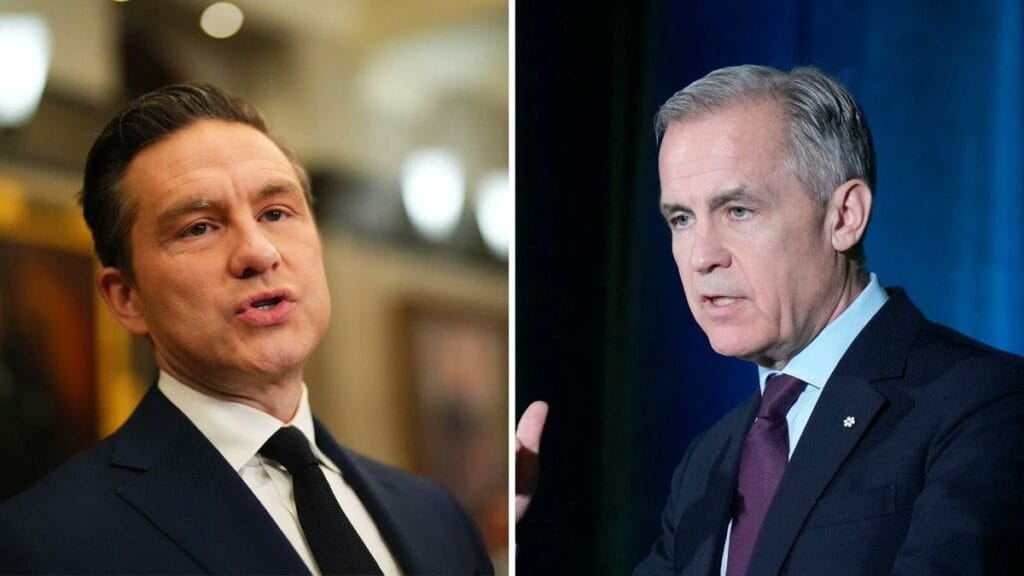
The Rising Threat of Trump’s Trade War
The US-Canada trade war, spurred by Trump’s imposition of 25% tariffs on Canadian goods, has put the two countries at odds. On March 2, Trump announced tariffs on Canadian steel and aluminum, and these tariffs were followed by a blanket 25% duty on all aluminum and steel imports, impacting Canadian importers significantly. Trump’s administration has also announced plans for further global tariffs, expected to take effect on April 2, deepening the trade standoff.
Carney has been adamant about responding firmly to these threats but has acknowledged that there are limits to how much Canada can retaliate given the size difference between the US and Canadian economies. However, he has promised that Canada will not back down, stating, “He wants to break us so America will own us. We will not let that happen.”
Poilievre’s Campaign Against Carney’s Liberals
Conservative leader Pierre Poilievre, 45, has been leading in national polls since mid-2023, though recent surveys suggest the race is now neck-and-neck. Poilievre has accused Carney’s Liberals of continuing a failed agenda, claiming that they have been “making the same promises they’ve been breaking for over 10 years.” He has linked Carney to Justin Trudeau’s legacy, criticizing the Liberal government’s policies on resource development, military funding, and immigration. Poilievre’s focus on the economy, particularly the rising cost of living, is resonating with many Canadians who are concerned about their financial futures.
Poilievre has also positioned himself as the candidate to ensure Canada’s sovereignty against external pressures. “We have to become strong, self-reliant, and sovereign to stand up to the Americans,” he stated, reflecting the widespread concern about Canada’s vulnerable position in the face of Trump’s tariffs.
The Election Landscape: More Than Just the US-Canada Relationship
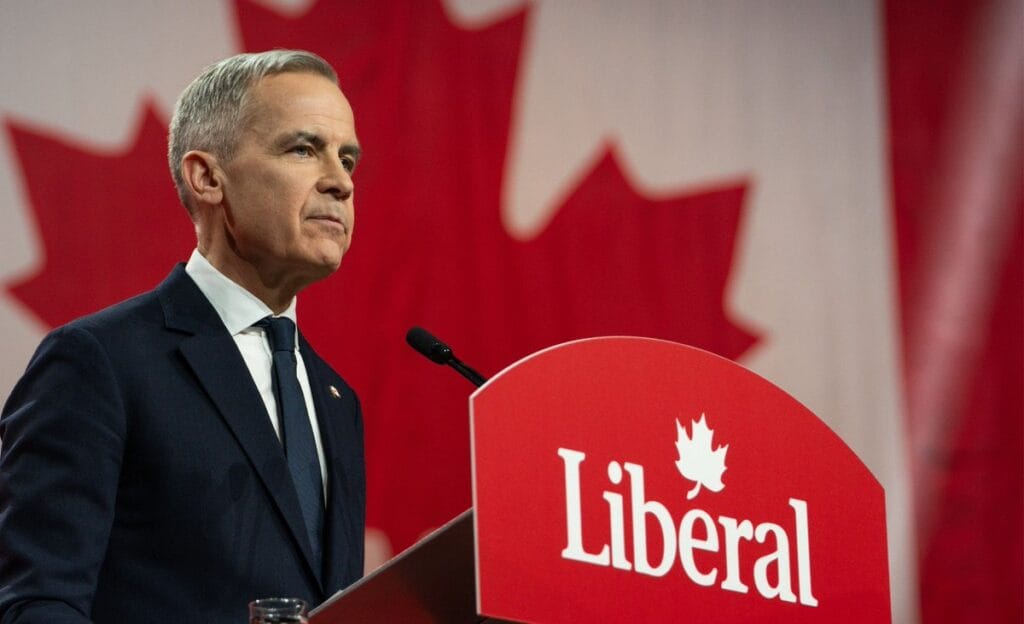
The election campaign, which will last for just five weeks—Canada’s shortest allowable election period—will focus on more than just trade and the US-Canada relationship. While the threat of a potential recession caused by Trump’s tariffs looms large, Canadians are also grappling with the high cost of living. This economic uncertainty will likely be a key issue for voters as they head to the polls.
The campaign also sees four major political parties in play. The Liberals, Conservatives, New Democrats (NDP), and Bloc Québécois will all compete for the country’s leadership. The Green Party and the People’s Party of Canada are also running candidates, though they are expected to play a smaller role in the outcome.
NDP leader Jagmeet Singh, in his campaign speech, positioned himself as a candidate for ordinary Canadians, accusing both Carney and Poilievre of protecting the wealthy. Singh has said that the country deserves a prime minister who will make decisions in the best interests of all Canadians, not just the elite.
Meanwhile, Bloc Québécois leader Yves-Francois Blanchet is working to maintain his party’s strong position in Quebec, particularly as it relates to industries targeted by US tariffs, such as aluminum, dairy, and lumber.
A Tight Race Ahead
With the Liberals holding 153 seats in the House of Commons at the time of the election call, the race for a fourth consecutive Liberal government under Carney is a crucial one. The Conservatives, with 120 seats, are hot on their heels, and much will depend on how voters view each leader’s ability to navigate Canada’s economic challenges and relationship with the US.
In a time of political and economic uncertainty, this election is one of the most pivotal in recent memory. Canada’s future direction will be shaped by how it responds to President Trump’s trade war, economic instability, and the pressing issues of cost-of-living increases.
As the campaign progresses, Canadians will have to decide: who is best equipped to lead them through these turbulent times and ensure the country’s sovereignty, prosperity, and security?