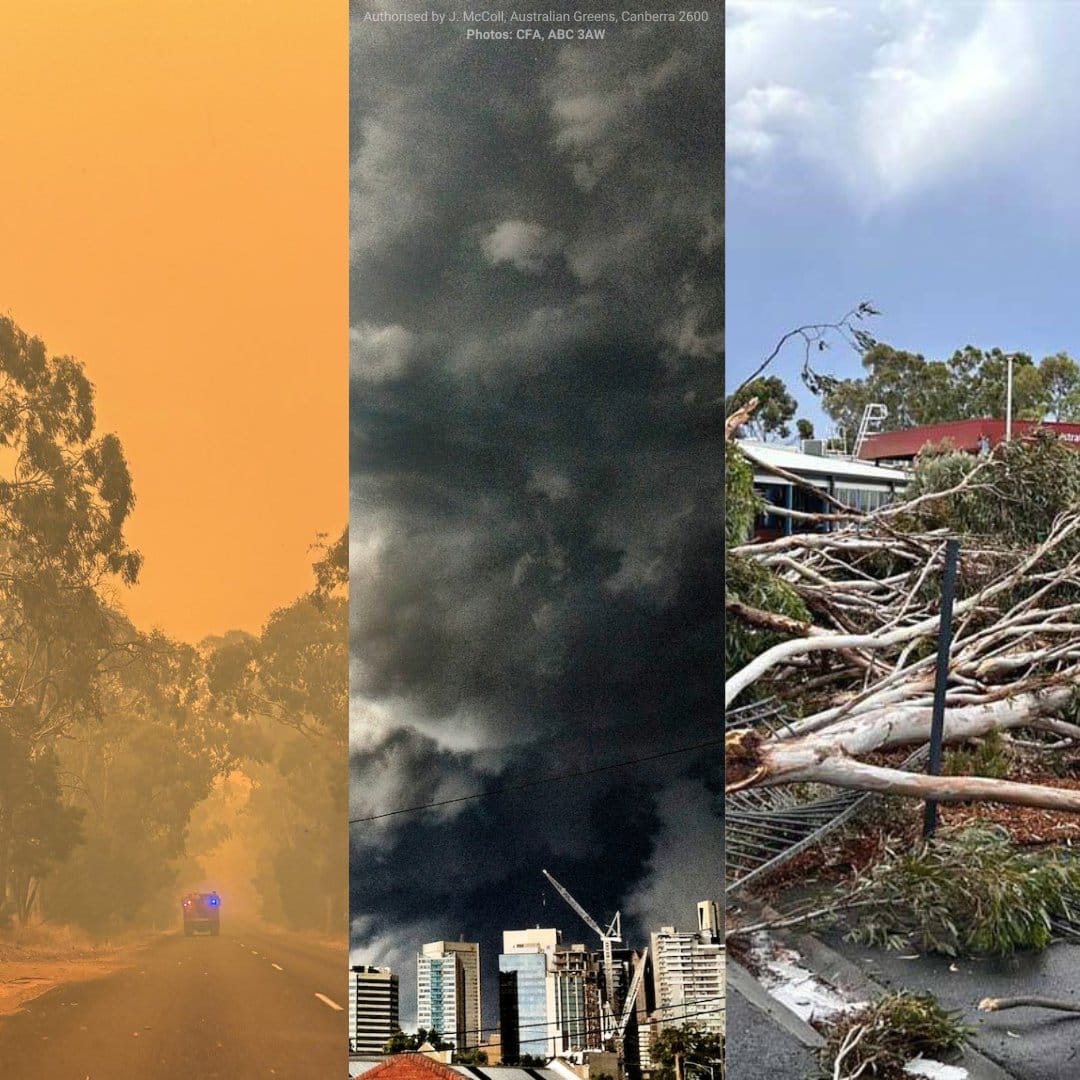
A massive storm has wreaked havoc on Australia’s east coast, leaving over 300,000 properties without power as it edges closer to landfall. Tropical Storm Alfred, which has been downgraded from a cyclone to a tropical low, is still causing significant damage and disruption, prompting widespread warnings across Queensland and northern New South Wales.
Storm Alfred’s Impact: Power Outages and Flooding
As Alfred nears the coast, heavy rain and violent winds have already led to power outages, with fallen trees and power lines disrupting electricity supply. Roads in low-lying areas have been flooded, and authorities are closely monitoring the situation as the storm approaches landfall near Brisbane.
Currently, around 287,000 properties are without power in southeast Queensland, according to Energex, while more than 42,600 homes in New South Wales have also experienced outages, as reported by Essential Energy.
Despite being downgraded, the storm continues to pose a serious threat, with four million people across Queensland and northern New South Wales in its path. The impact of the storm is expected to continue, with emergency services working around the clock to restore power and keep residents safe.
Evacuations and Warnings
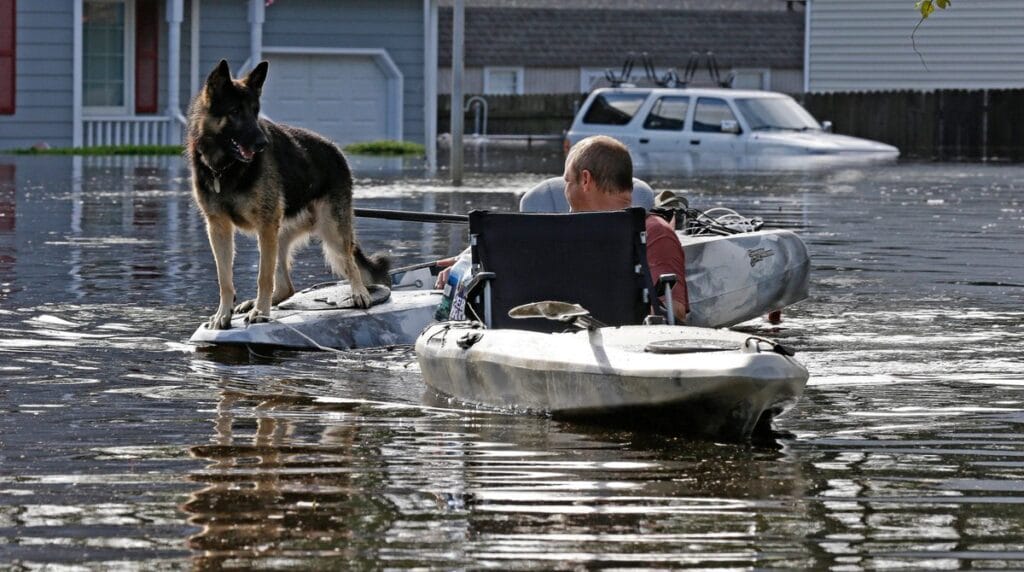
Tens of thousands of residents have been told to evacuate from areas directly in the storm’s path. Others have been urged to remain indoors as strong winds and heavy rain continue to lash the region. While Brisbane seems to have dodged the worst of the storm, Southeastern Queensland and Northern New South Wales are still at risk, with ongoing warnings in place.
Prime Minister Anthony Albanese warned that “the worst is yet to come” and encouraged people to remain vigilant. New South Wales State Premier Chris Minns echoed these concerns, stressing that the storm’s downgrade does not diminish the threat.
Local Damage and Disruptions
Along the Gold Coast, conditions remain extremely challenging. Strong winds, driving rain, and fallen power lines have caused significant damage. Hundreds of trees have been uprooted, blocking roads and creating hazardous conditions in residential areas and public spaces.
Public transport has been suspended, nearly 1,000 schools have been closed, and airports remain shut. In some areas, even elective surgeries have been cancelled as authorities focus on storm response efforts. Flights are expected to resume no earlier than Sunday.
At Treasure Island Holiday Park on the Gold Coast, severe damage has been reported, with a fallen gum tree causing significant destruction between cabins. Nearby, boats have been submerged in canals, and access to popular beaches has been severely restricted as erosion caused by strong waves threatens the coastline.
Clean-Up and Recovery Efforts
As the storm moves further inland, the clean-up operation is set to begin, though it could take days due to ongoing dangerous weather conditions. Many residents are still staying indoors to avoid the risk of flying debris, while others venture out cautiously to assess the damage.
Authorities have emphasized that flooding could continue in the coming days, and they urge people not to become complacent. With weather conditions still extreme, the storm’s aftermath will be felt for some time across the affected regions.
Stay Safe: What You Can Do
If you live in Queensland or Northern New South Wales, it is critical to stay informed through local authorities and follow all safety instructions. Keep your power sources prepared in case of outages, avoid flooded roads, and be mindful of fallen trees and debris.
- Live Updates: Heathrow Airport Closure Due to Fire Disrupts International Flights
- Tornadoes Strike Southern US: 31 Killed
Stay indoors if possible, and if you are in an evacuation zone, please follow the guidance of emergency services. Your safety together with your overall well-being stands as the most important priority.
Conclusion: A Long Recovery Ahead
While Tropical Storm Alfred may have been downgraded, its impact is far from over. The affected regions are dealing with power outages, flooding, and dangerous weather conditions. As the storm continues to move inland, residents are advised to remain vigilant. Local authorities and emergency services are working tirelessly to mitigate the effects and restore normalcy, but the road to recovery is expected to take days.