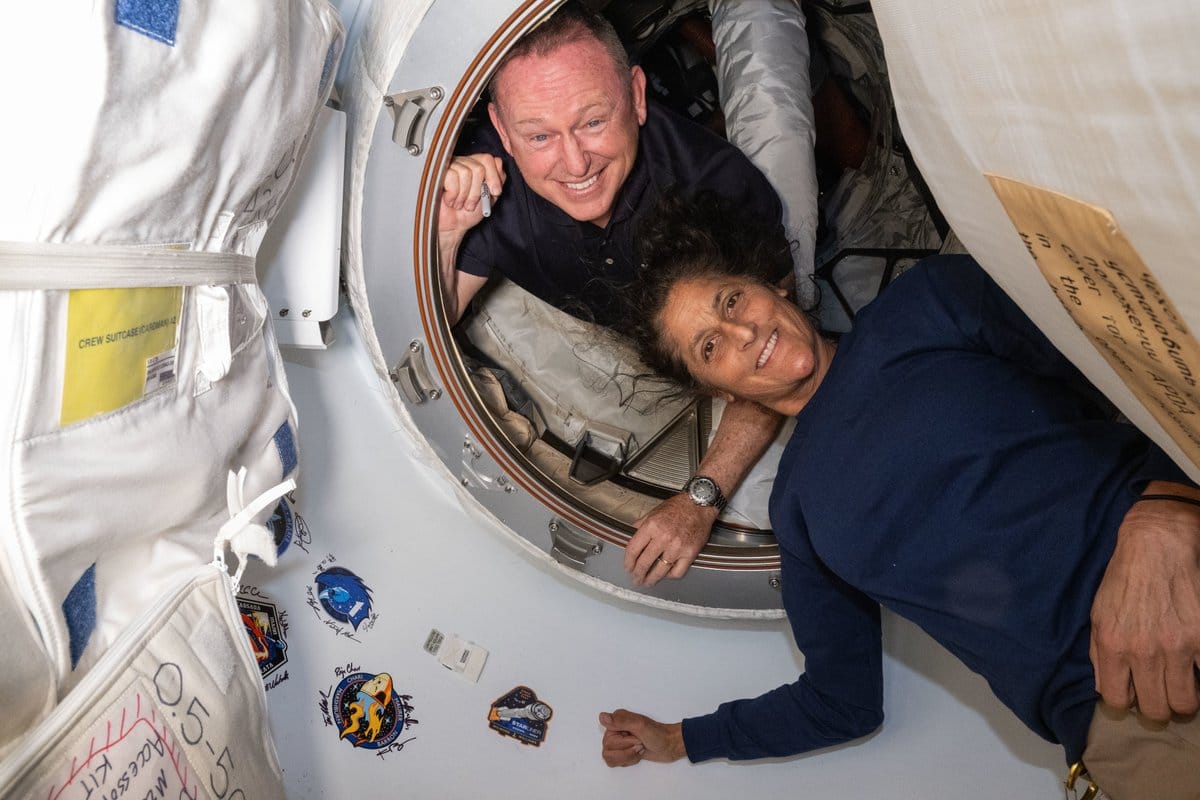
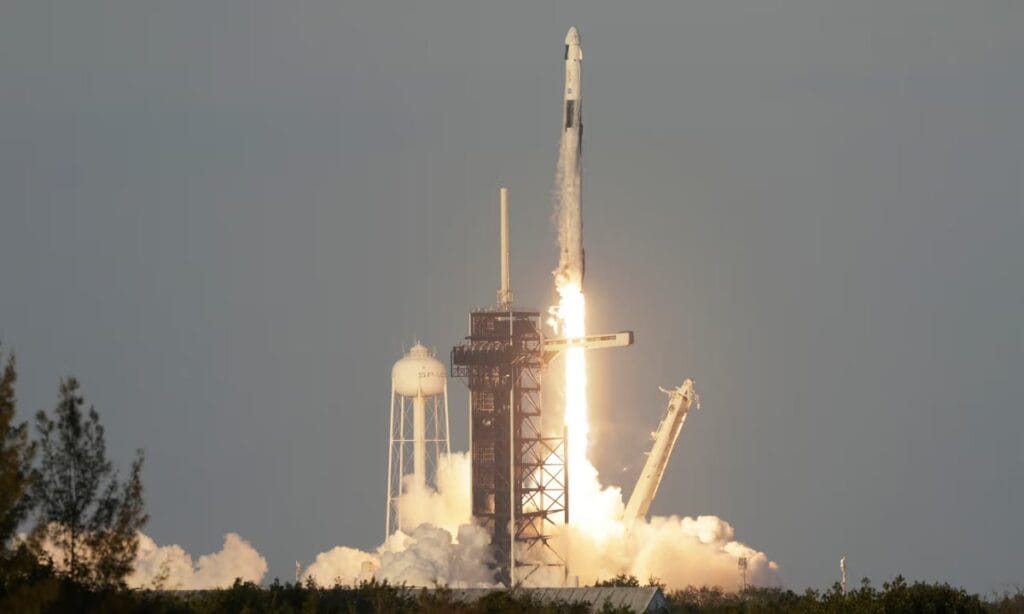
SpaceX has successfully launched a rocket carrying a new crew to the International Space Station (ISS), paving the way for astronauts Butch Wilmore and Suni Williams to return home after an unexpected nine-month stay.
Extended Mission Due to Technical Issues
Wilmore and Williams originally planned to stay on the ISS for just eight days. However, technical issues with the Boeing-built Starliner spacecraft prolonged their mission. NASA opted for a cautious approach, delaying their return until a safe and reliable alternative was available.
Now, with a fresh crew arriving aboard the SpaceX Dragon capsule, the veteran astronauts are set to begin their journey back to Earth two days after the handover process is completed. NASA’s Commercial Crew Program Manager, Steve Stich, expressed relief and excitement about their return.
“Butch and Suni have done a great job, and we are excited to bring them back,” he stated.
New Crew Arrives for ISS Handover
The new team replacing the departing astronauts consists of four crew members from Russia, Japan, and the United States. After a two-day transition period, Wilmore and Williams, along with NASA’s Nick Hague and Roscosmos cosmonaut Aleksandr Gorbunov, will depart the ISS. However, NASA has cautioned that weather conditions must be favorable before finalizing the return schedule.
“Weather always has to cooperate, so we’ll take our time over that if it is not favorable,” said Dana Weigel, ISS Program Manager.
The Challenges of an Extended Stay
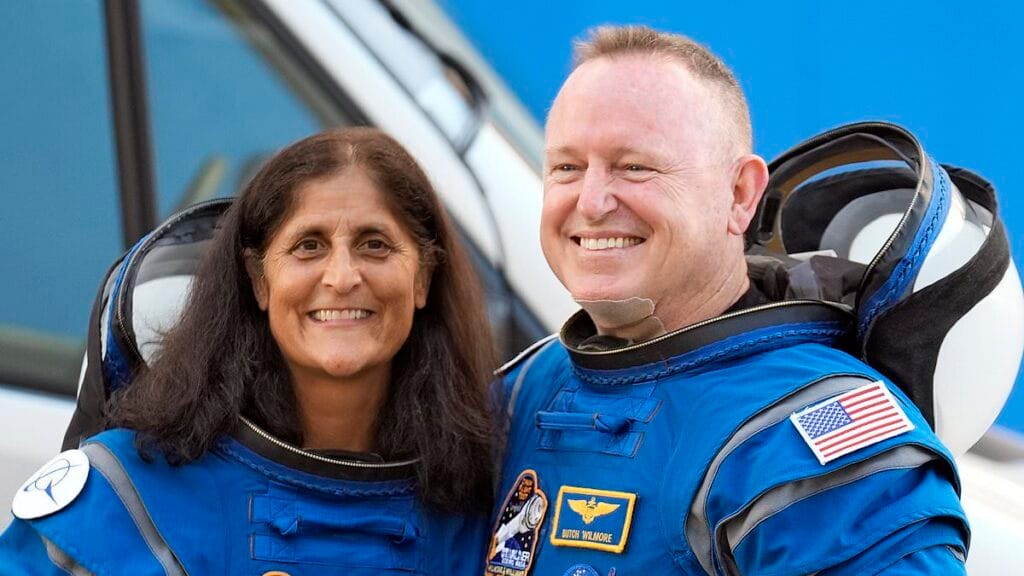
Although both astronauts have maintained a positive outlook, calling the ISS their “happy place,” experts suggest that their prolonged stay was not without challenges. Dr. Simeon Barber of the Open University highlighted the personal impact.
“When you are sent on a work trip that is supposed to last a week, you are not expecting it to take the best part of a year,” he noted. “This extended stay will have disrupted family life. Things will have happened back home that they will have missed out on.”
Boeing’s Starliner Faces Setbacks
Wilmore and Williams initially traveled to the ISS on Starliner, an experimental spacecraft developed by Boeing as a competitor to SpaceX’s Dragon. However, technical malfunctions—including issues with Starliner’s thrusters and helium leaks—raised safety concerns.
NASA ultimately decided not to risk bringing them back on Starliner and instead waited for the scheduled arrival of SpaceX’s Dragon capsule. Boeing maintains that Starliner was safe for re-entry, but the decision to use a rival company’s spacecraft instead is seen as a setback for the aerospace giant.
“It’s not a good look for Boeing to see astronauts they took into space come back in a competitor’s craft,” said Dr. Barber.
Political Controversy Over Delayed Return
The extended stay has also sparked political debates. Former President Donald Trump and SpaceX CEO Elon Musk have criticized the delay, alleging that NASA’s decision was influenced by politics.
“They got left in space,” Trump said in a Fox News interview, referencing their prolonged mission. Musk echoed this claim, suggesting the delay was politically motivated.
NASA officials have firmly denied these accusations. Steve Stich clarified that the agency made decisions based solely on astronaut safety and technical feasibility.
“We looked at a wide range of options and worked hand-in-hand with SpaceX to determine the best course of action,” he explained. “The decision we made was the safest and most reliable.”
Dr. Libby Jackson, head of space at the Science Museum in London, supported NASA’s stance, emphasizing that astronaut safety was the priority.
“Butch and Suni’s wellbeing was always at the forefront of decision-making,” she stated. “NASA made the right choice to ensure their safe return.”
Awaiting a Safe Return
As Wilmore and Williams prepare to leave, all eyes are on their final departure. With SpaceX’s Dragon providing their ride home, NASA is taking every precaution to ensure a smooth and safe re-entry.
Space enthusiasts and families of the astronauts eagerly await their return, marking the end of an unexpectedly long mission. With their experience and resilience, Butch Wilmore and Suni Williams have demonstrated the perseverance required for extended space missions, setting an example for future explorations.