Russia has made it clear that any peace deal with Ukraine must include guarantees that NATO will not accept Ukraine as a member, a senior Russian official stated. Deputy Foreign Minister Alexander Grushko told the Russian media outlet Izvestia that Moscow would require “ironclad security guarantees” as part of any agreement to end the ongoing war.
“Grushko insisted that among these commitments should be Ukraine’s position as a neutral country together with NATO countries’ refusal to let Ukraine join their alliance. This position aligns with Russia’s longstanding opposition to NATO expansion, particularly in regions close to its borders.
Ongoing Negotiations and Ceasefire Talks
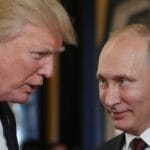
Amid continued diplomatic efforts, reports suggest that U.S. President Donald Trump and Russian President Vladimir Putin are expected to speak in the coming days regarding a possible ceasefire. The U.S. and Ukraine have jointly proposed a 30-day ceasefire to Russia as a step toward de-escalating the three-year conflict.
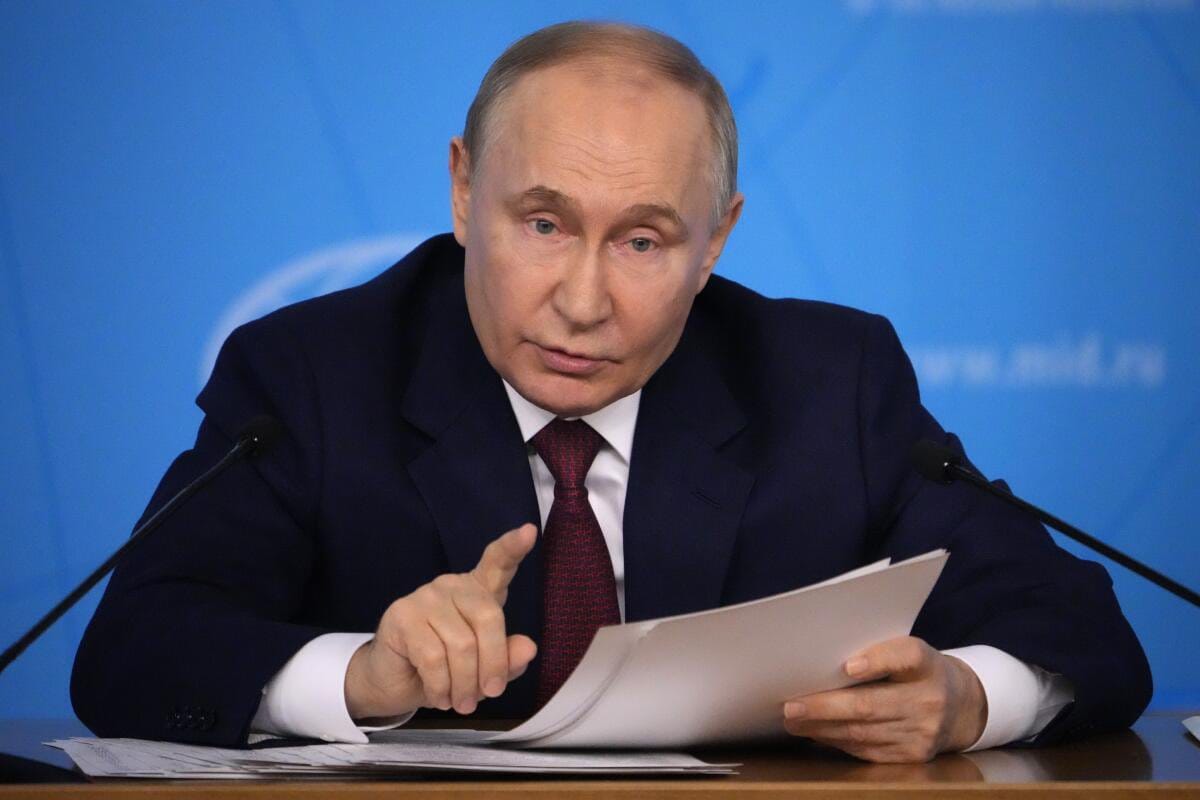
Putin has expressed willingness to consider a ceasefire but has set strict conditions. One of the main concerns involves Russia’s western Kursk region, where Ukraine launched a military incursion last August and captured some territory. Although Putin claims that Russian forces have regained full control of Kursk and isolated Ukrainian troops, uncertainties remain about how a ceasefire would be monitored along the eastern frontline.
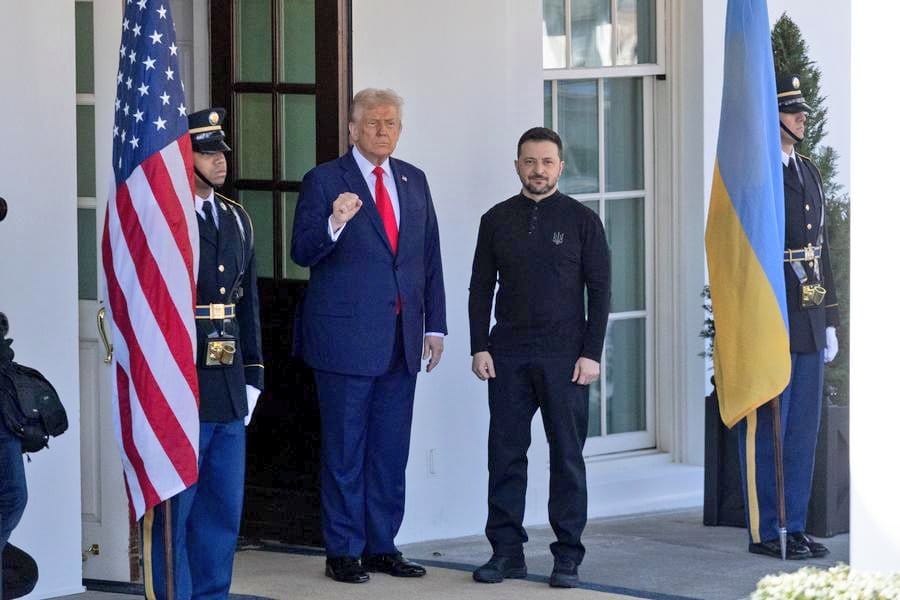
Zelensky Accuses Russia of Sabotaging Peace Efforts
Ukrainian President Volodymyr Zelensky has accused Putin of deliberately undermining peace talks. He alleges that the Russian leader is using negotiations as a delay tactic while continuing military operations. According to Zelensky, Ukraine remains committed to diplomacy but will not accept an agreement that compromises its sovereignty or territorial integrity.
On the other hand, U.S. envoy Steve Witkoff, who recently met with Putin in Moscow, confirmed to CNN that a Trump-Putin call is expected soon. Witkoff did not disclose details on how the issue of Russian-occupied Ukrainian territory would be addressed in any potential peace deal.
Trump’s Role in Ending the War
During his election campaign, Trump repeatedly vowed to end the Russia-Ukraine war on “day one” of his administration. Within a month of his inauguration, he had a 90-minute call with Putin, reportedly focused on initiating negotiations. However, with territorial disputes, security guarantees, and the broader geopolitical interests of NATO and Russia at play, achieving a swift resolution remains complex.
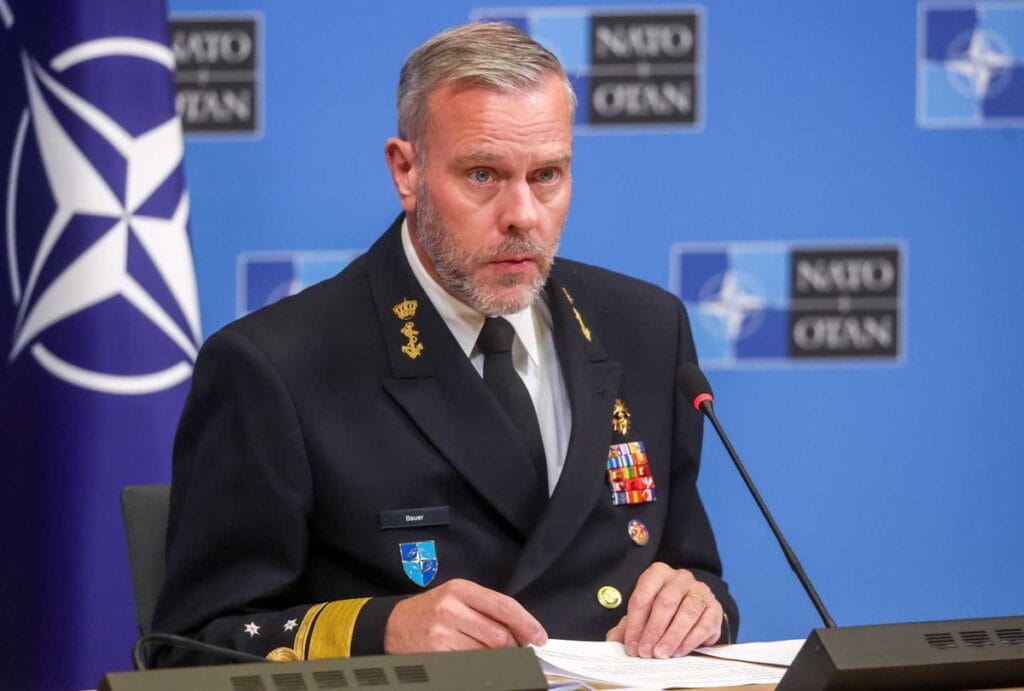
The NATO Question and Its Implications
Russia’s demand that Ukraine remain neutral and stay out of NATO is a central issue in peace negotiations. Moscow argues that Ukraine joining NATO would pose a direct security threat. On the other hand, Ukraine sees NATO membership as crucial for its long-term security and defense against further Russian aggression.
Western allies, including the U.S. and European nations, have expressed support for Ukraine but have been hesitant to provide a definitive timeline for its NATO membership. Some NATO members are cautious, fearing that Ukraine’s inclusion could escalate tensions with Russia and lead to a broader military conflict.
What Would a Peace Deal Look Like?
For any ceasefire or peace deal to be effective, several key elements would need to be addressed:
- Neutrality Clause: Russia demands that Ukraine commit to neutrality and abandon NATO ambitions.
- Ceasefire Mechanisms: Clear guidelines on how a ceasefire would be enforced and monitored.
- Territorial Agreements: The fate of Russian-occupied territories must be decided.
- Security Assurances: Guarantees from international actors to ensure compliance from both sides.
- Post-War Reconstruction: Plans for rebuilding war-affected areas and securing economic stability.
Challenges in Achieving a Lasting Peace
While diplomatic efforts continue, there are significant obstacles to achieving a lasting peace:
- Mistrust Between Parties: Ukraine and Western allies remain skeptical of Russia’s intentions.
- Geopolitical Interests: NATO’s stance on Ukraine and Russia’s influence in the region create challenges.
- Public Opinion: Ukrainian citizens overwhelmingly support resisting Russian aggression and seek full territorial restoration.
- Military Realities: As fighting continues, both sides may be unwilling to compromise on key issues.