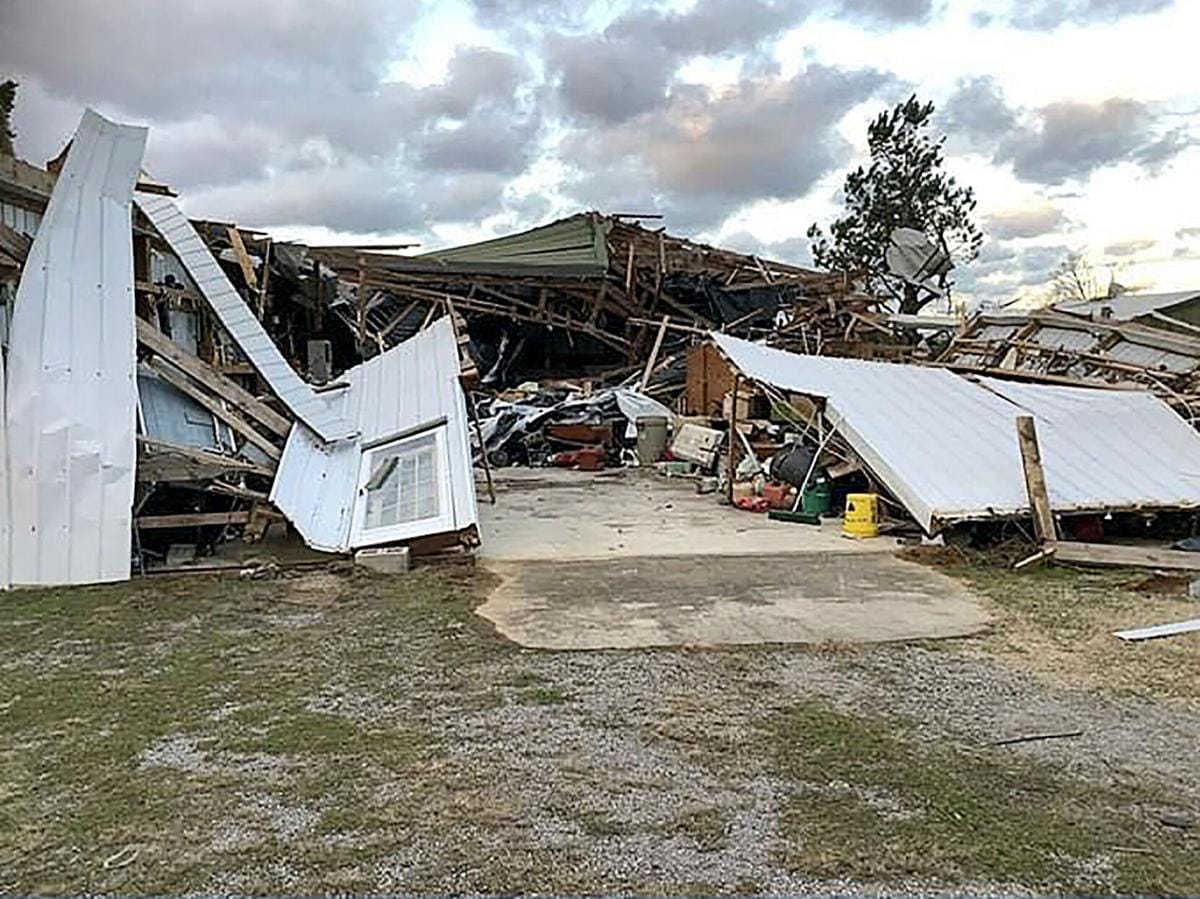
Tornadoes have once again wreaked havoc in the southern United States, leaving a trail of destruction in their wake. At least 31 people have died, including 12 in Missouri alone, as deadly twisters flattened homes, flipped cars, and disrupted communities. The devastation has impacted several southeastern states, with Kansas, Arkansas, Georgia, Oklahoma, and Texas also reporting fatalities and injuries.
The Devastation Unfolds
The outbreak of tornadoes has been particularly severe, causing catastrophic damage across multiple states. Missouri has been one of the hardest-hit areas, with its emergency management agency confirming that 19 tornadoes struck 25 counties. Governor Mike Kehoe describes the state as suffering from heavy storms and tornadoes that have wrecked homes and claimed human lives.
Arkansas has also suffered heavily, with at least three deaths and 29 injuries reported. This prompted Governor Sarah Huckabee Sanders to declare a state of emergency. Meanwhile, in Kansas, a dust storm led to a tragic multi-vehicle crash, killing at least eight people and involving more than 55 vehicles. The high winds and poor visibility created treacherous conditions on the roads.
Georgia Governor Brian Kemp and Oklahoma Governor Kevin Stitt have also declared states of emergency after reports of tornado-related fatalities. Oklahoma, in particular, has been battling wildfires fueled by strong winds, which have further complicated rescue and recovery efforts.
Power Outages and Severe Weather Warnings
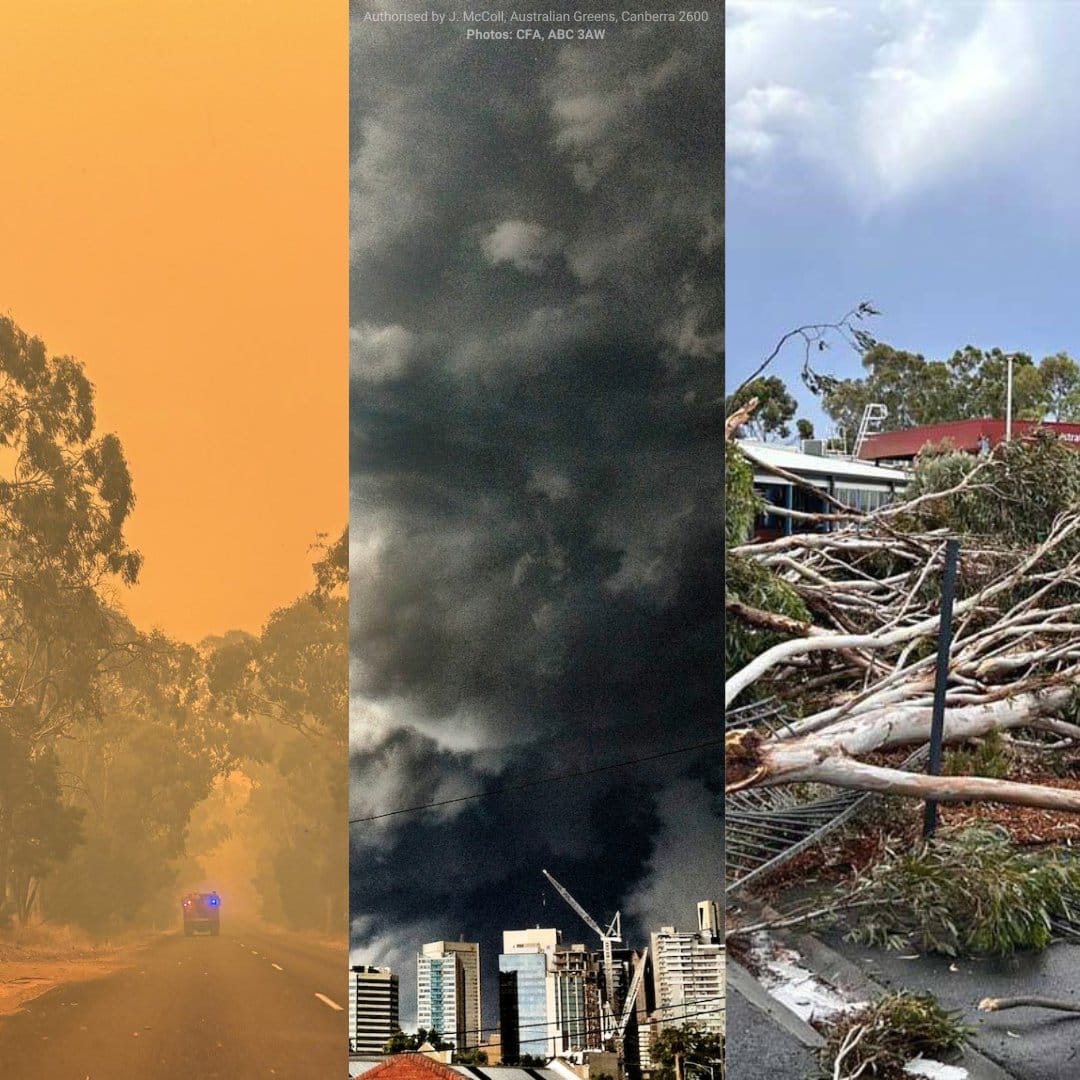
The severe storms have left more than 170,000 properties without power across five states, including Michigan, Missouri, and Illinois. Power outages have compounded the difficulties faced by residents already dealing with the storm’s impact. Emergency responders are working tirelessly to restore power and provide relief to affected communities.
The National Weather Service (NWS) has issued multiple tornado watches across eastern Louisiana, western Georgia, central Tennessee, and the western Florida Panhandle. These warnings highlight the continued threat posed by severe weather conditions. Flash flooding warnings have also been issued in parts of Alabama, Arkansas, central Mississippi, eastern Louisiana, and western Tennessee.
The NWS has cautioned that these flash floods could be deadly, urging residents in affected areas to take necessary precautions. On Saturday night, Alabama saw multiple tornado warnings, with the agency describing the situation as “particularly dangerous.” The NWS has warned of “multiple intense to violent long-track tornadoes” and advised residents to seek shelter in the sturdiest structures available until the storms pass.
The Role of Tornado Alley
The states affected by this disaster lie within a region often referred to as “Tornado Alley.” This area, which includes parts of Texas, Oklahoma, Kansas, Nebraska, and Missouri, is known for its frequent tornado activity. The geography and climate of this region make it particularly susceptible to tornado formation.
Tornadoes form when warm, moist air collides with cold air, creating unstable atmospheric conditions. When winds from different directions interact, they create a vortex that can develop into a full-fledged tornado. This phenomenon is particularly common in Tornado Alley, where the unique geography creates the perfect conditions for tornadoes to thrive.
A Rising Death Toll
The destruction from these tornadoes has been tragic. In Texas, a dust storm on Friday night caused a massive pile-up involving 38 cars, leading to three deaths. An additional death has since been reported in Texas. These deadly conditions have been described as “the worst” by Sgt. Cindy Barkley of the state’s Department of Public Safety. “When the dust from the storm cleared up she learned that all of them had survived.
The Impact of Wildfires
Beyond the destruction caused by tornadoes, the strong winds have also fueled wildfires across multiple states. In Oklahoma, the 840 Road Fire has already burned 27,500 acres and remains completely uncontained. The Oklahoma Forestry Service has issued a “red flag” warning, indicating a severe fire danger in the state’s panhandle area. Emergency crews are working around the clock to control the flames and prevent further spread.
The Road to Recovery
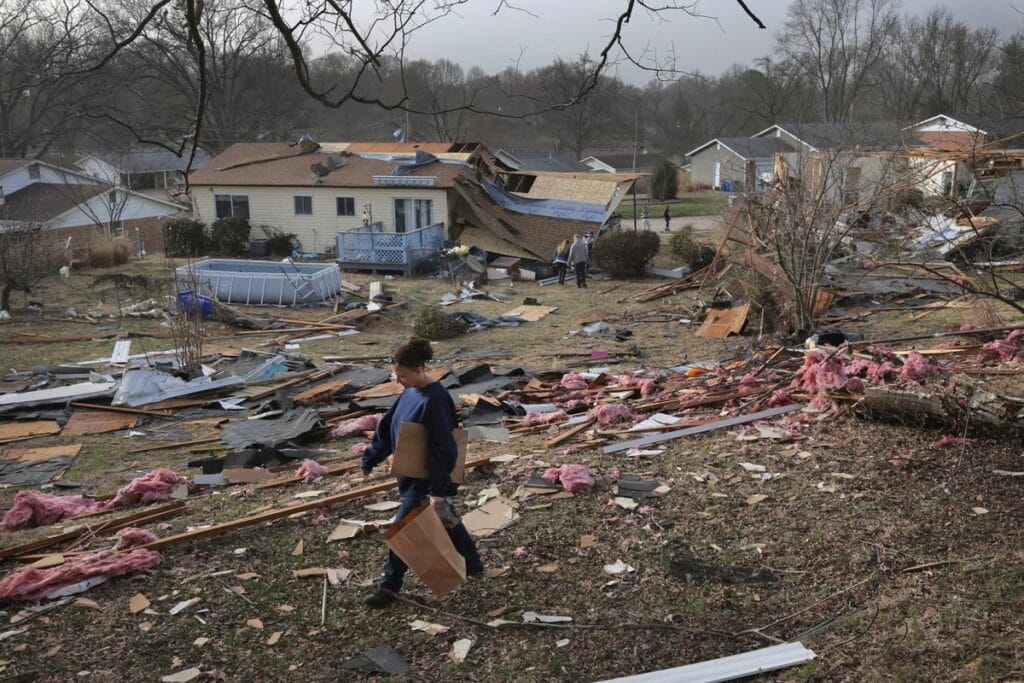
The aftermath of these tornadoes presents significant challenges for affected communities. Search and rescue operations are ongoing, with emergency personnel working to locate missing individuals and provide aid to those in need. Many residents have lost their homes, and rebuilding efforts will take months, if not years.
Relief organizations, local governments, and federal agencies are mobilizing to provide emergency assistance, temporary shelter, and financial aid to those impacted. Community members and volunteers have also stepped up to support recovery efforts, demonstrating resilience in the face of disaster.
Preparing for Future Tornadoes
While the damage has been devastating, it serves as a reminder of the importance of preparedness. Residents in tornado-prone areas should take steps to protect themselves and their families:
- Have a plan: Identify safe places in your home, such as a basement or an interior room on the lowest floor, and practice tornado drills regularly.
- Stay Informed: Keep a weather radio or mobile alerts active to receive real-time warnings from the NWS.
- Emergency Kit: Prepare a kit with essentials such as food, water, medications, flashlights, and important documents.
- Secure Property: Strengthen homes with storm-resistant features and remove loose outdoor items that could become projectiles in strong winds.
Final Thoughts
The recent tornado outbreak in the southern US has left a devastating impact, with at least 31 lives lost and widespread destruction across multiple states. With thousands still without power and more severe weather on the horizon, emergency responders continue to work tirelessly to provide aid and relief.
As climate patterns continue to shift, tornado preparedness and early warning systems will play a critical role in minimizing loss of life and property. Communities in Tornado Alley must remain vigilant and proactive in their disaster readiness efforts. The road to recovery will be long, but with resilience and support, these communities will rebuild and recover from this disaster.