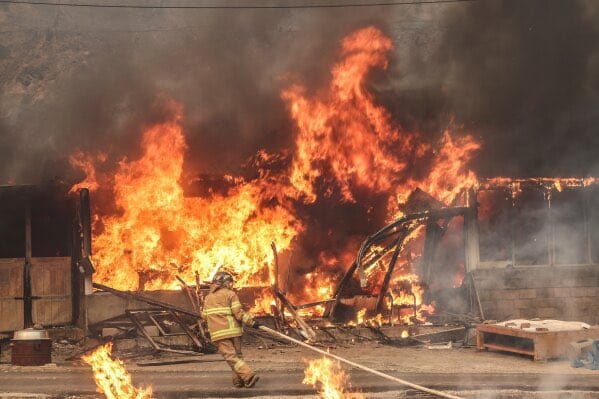
South Korea is grappling with its most devastating wildfires on record, with at least 26 lives lost and extensive damage to historic sites and communities. These massive infernos have been raging across the country’s southeastern region since last Friday, leaving a trail of destruction that has affected thousands of people and properties.
A Record-Breaking Disaster
According to the latest update from South Korea’s Interior Ministry, the wildfires have scorched approximately 88,000 acres of land — double the size from the day before. The scale of the devastation is unprecedented, surpassing even the largest wildfire in the nation’s history, which occurred in the year 2000. That fire consumed 59,000 acres and resulted in the loss of two lives. Tragically, this new wave of wildfires has already claimed 26 lives, including a pilot whose helicopter tragically crashed during firefighting operations.
Destruction of Historic Temples and Buildings
The fires have caused significant damage to 317 buildings, including the destruction of two ancient Buddhist temples. These temples, each over 1,000 years old, are cultural treasures and hold deep historical significance for South Korea. The flames have encircled these sacred sites, with videos showing the devastating progress of the inferno. Thankfully, some valuable artifacts, including a stone Buddha statue from Gounsa Temple, were successfully removed before the fire reached it.
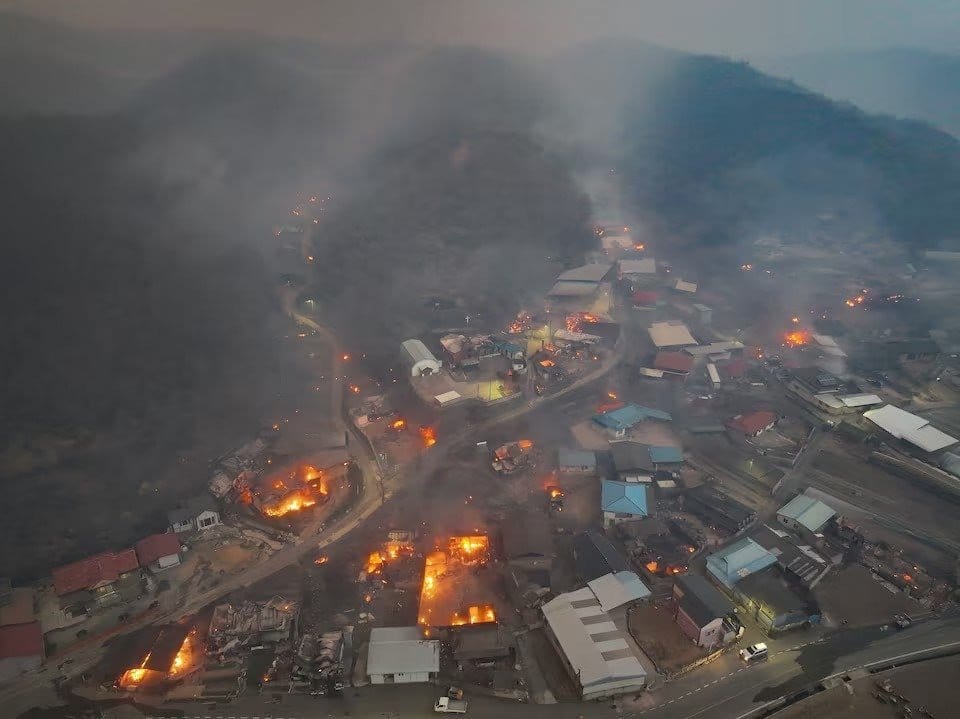
The fire also took a heavy toll on the Andong Hahoe Folk Village, a UNESCO World Heritage site. The village, which has stood for over 600 years, saw residents evacuated as the flames advanced. Locals described the fires as “the devil,” expressing frustration at the inability to contain the blaze.
The Struggle to Contain the Fires
Despite the tireless efforts of firefighters, only 44% of the largest wildfire, which covers about 82,000 acres, has been contained. Strong winds have made it difficult for helicopters and drones to effectively battle the flames, and the weather forecast offers little hope for relief. Although the region is expected to receive light rain later this week, officials are doubtful it will be enough to extinguish the fires completely.
Impact on Local Communities
More than 27,000 people have been forced to evacuate their homes as the fires spread. In addition to the tragic loss of life, 29 people have been injured, including eight seriously. Many of the fatalities were elderly individuals, particularly those in their 60s and 70s. Emergency services continue to work around the clock to help those affected, but the scale of the disaster continues to grow.
The fires started on Friday afternoon in Sancheong County, a rural area located 160 miles southeast of Seoul. Authorities traced the origin of the blaze to a farmer’s lawn mower, which accidentally sparked the fire. Since then, nearly 30 separate blazes have erupted across the region, with five still raging as of Thursday morning.
A National Crisis
The wildfires are not just a local issue but a national crisis that has impacted entire communities and shaken the country. Officials have had to close roads, suspend train services, and deal with power outages in some areas. The disaster has led to widespread anxiety, with many questioning how such a large-scale wildfire could spread so quickly, overwhelming firefighting resources.
Acting President Han Duck-soo has expressed concern, calling the wildfires an unprecedented catastrophe. The nation is in the midst of what could become its worst wildfire season ever, with record-breaking fires continuing to spread across the landscape.
Looking Ahead
As firefighters continue to battle the blazes, the people of South Korea are left to contend with the devastating impact on their homes, communities, and heritage. The fires are a stark reminder of the increasing threats posed by climate change, as extreme weather events like wildfires become more frequent and severe.
In the coming days, authorities will focus on containment efforts and supporting affected communities. The nation remains hopeful that with continued efforts, this crisis can be mitigated, even as the toll on lives and property continues to rise.