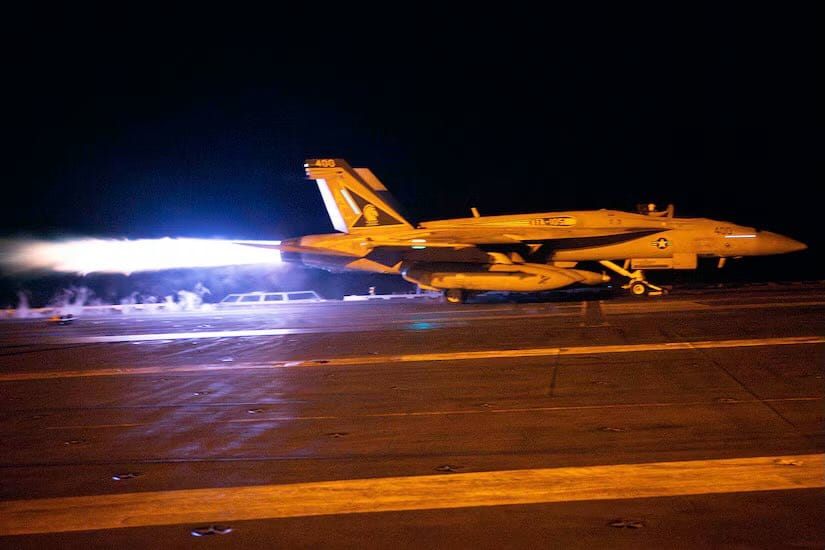
The United States has launched a series of air strikes on Houthi rebels in Yemen, escalating tensions in the Middle East. According to President Donald Trump, these attacks were a direct response to the Houthis’ assaults on shipping vessels in the Red Sea. Trump stated that the Iran-backed rebel group had fired missiles at US aircraft and targeted American troops and allies, posing a serious threat to international security and trade.
Why Did the US Strike the Houthis?
The Houthis have been launching attacks on commercial and military ships in the Red Sea since November 2023. The group claims their actions are in support of Palestinians in the ongoing Israel-Hamas conflict. However, Western nations view these attacks as acts of piracy and terrorism. In response, the US launched multiple air strikes, aiming to disrupt the Houthis’ ability to threaten global trade routes.
The Impact on Global Shipping
The Red Sea is one of the world’s most crucial maritime trade routes, handling nearly 15% of global seaborne trade. The Houthi attacks have forced major shipping companies to reroute their vessels around the southern tip of Africa, significantly increasing transit times and costs.
Delays in Trade:
Ships avoiding the Red Sea must take a longer route around the Cape of Good Hope, increasing travel time by weeks.
Higher Shipping Costs:
Additional fuel consumption and extended voyages have raised costs, which are being passed on to consumers worldwide.
Supply Chain Disruptions:
Delays in shipment impact various industries, from oil and gas to electronics and manufacturing.
US and UK Response
While the US carried out the recent strikes alone, the UK has previously participated in joint military operations against the Houthis. Although Britain did not partake in this particular wave of strikes, it provided logistical support, including refueling for US aircraft.
US Defense Secretary Pete Hegseth stated that the Houthis’ main sponsor, Iran, was “on notice.” Trump also warned Tehran that Washington would hold it fully accountable if attacks continued.
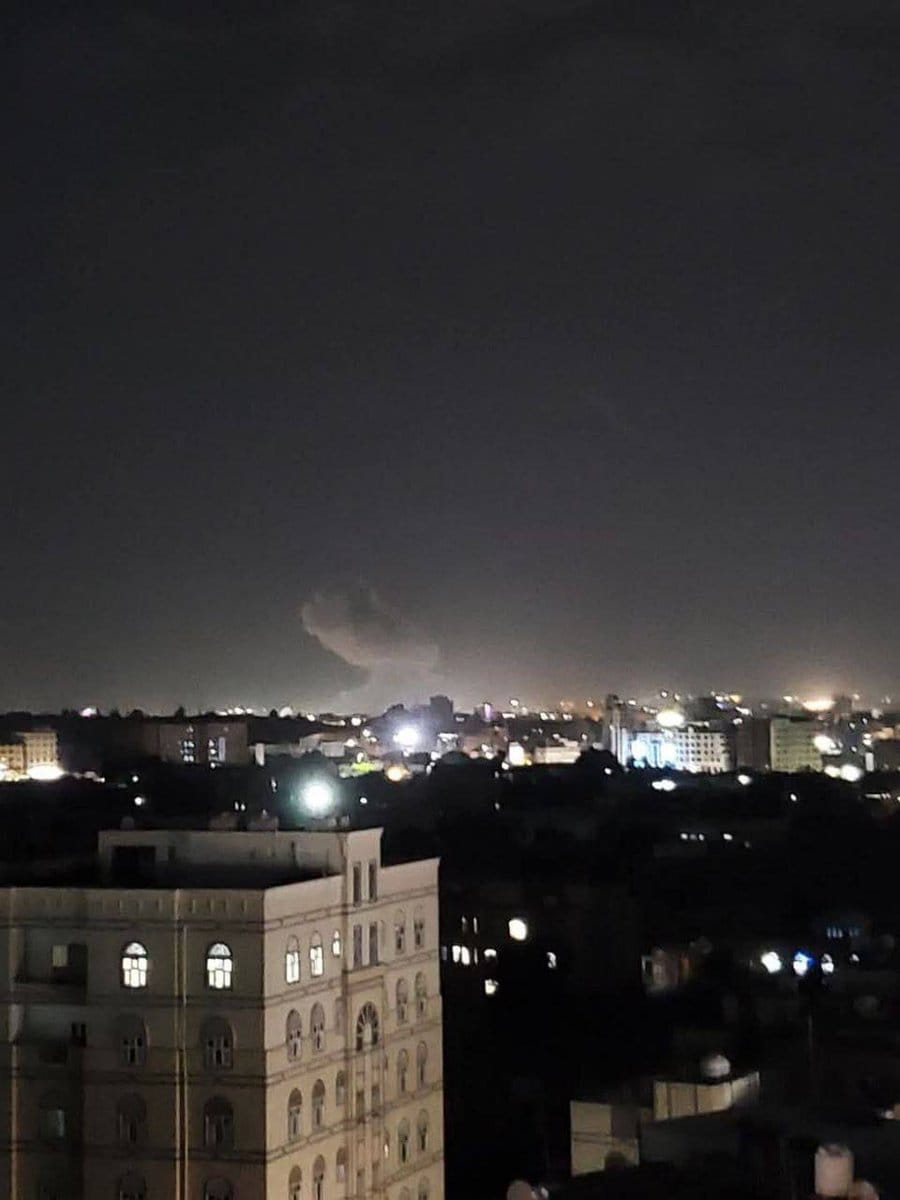
Houthi Retaliation and Future Escalation
The Houthis have vowed to retaliate, stating that US aggression will not weaken their support for the Palestinian cause. In their response, they warned that they would answer “escalation with further escalation.”
This raises concerns about:
- Increased Attacks on Merchant Ships: The Houthis may intensify their missile and drone assaults on vessels in the Red Sea.
- Threats to Saudi Arabia and UAE: Neighboring Gulf states, which oppose the Houthis, could also become targets of retaliatory strikes.
- Regional Instability: The escalation could draw other nations deeper into the conflict, increasing tensions across the Middle East.
Broader Implications for Middle East Stability
The conflict between the US and the Houthis is part of a broader struggle in the region. The Houthis, supported by Iran, are one of several groups opposing US influence in the Middle East. Israel, which has also carried out strikes against Houthi targets, remains a major focus of the group’s hostility.
US Policy Moving Forward
Trump has made it clear that further attacks from the Houthis will be met with overwhelming force. He stated that US military action will continue until the threat is neutralized. However, a prolonged conflict in Yemen could complicate diplomatic efforts in the region.
Iran’s Role and Response
Iran has historically supported the Houthis with weapons, funding, and intelligence. If the conflict escalates further, Iran could increase its direct involvement, potentially leading to wider regional instability.
The US has warned Iran against further escalation, but Tehran’s next move remains uncertain. If Iran increases its support for the Houthis, it could trigger a larger military confrontation with the US and its allies.