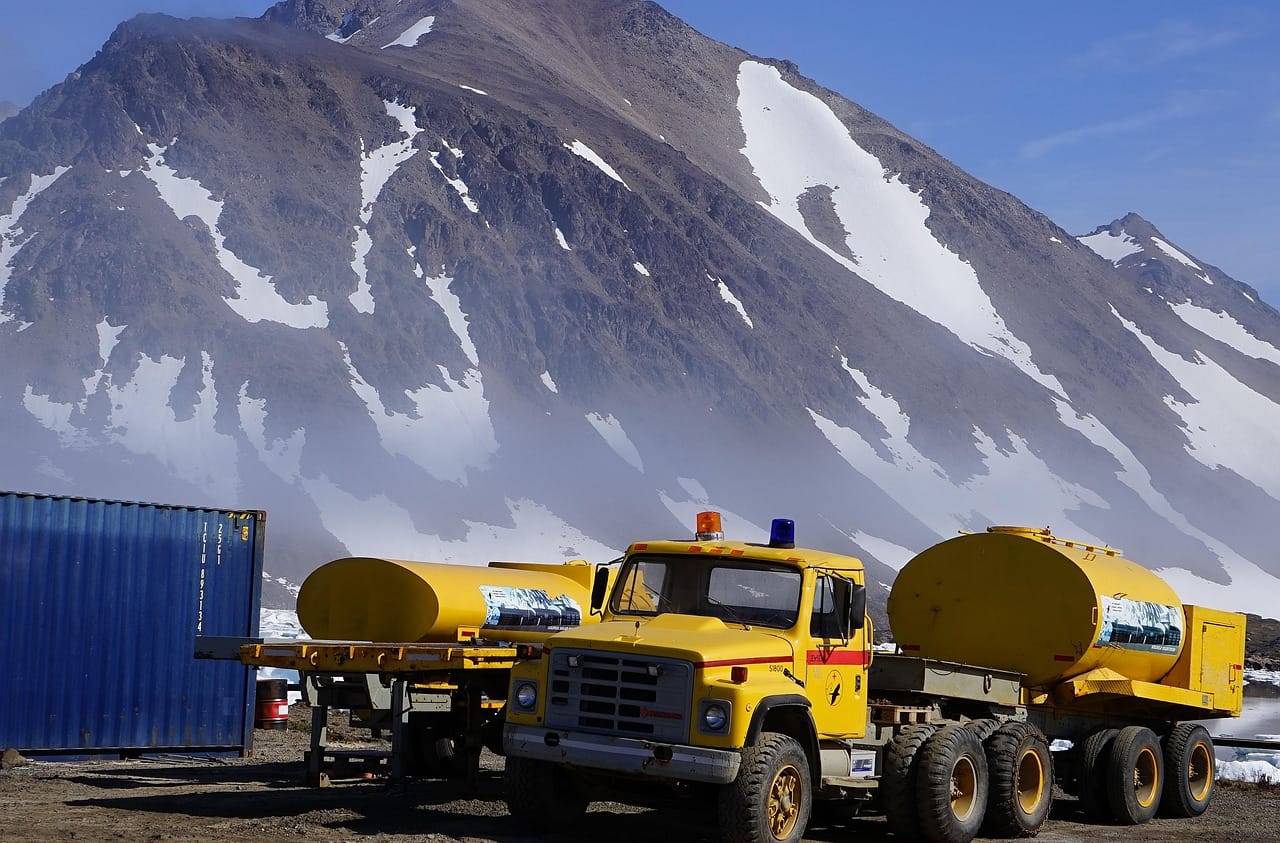
Greenland is at the center of an international debate once again. After US President Donald Trump reiterated his desire for the US to acquire the Arctic island, Greenlanders are heading to the polls for early parliamentary elections. The election was called by Prime Minister Mute Egede, as political parties in Greenland debate the island’s future, independence from Denmark, and its role in global geopolitics.
Where is Greenland?
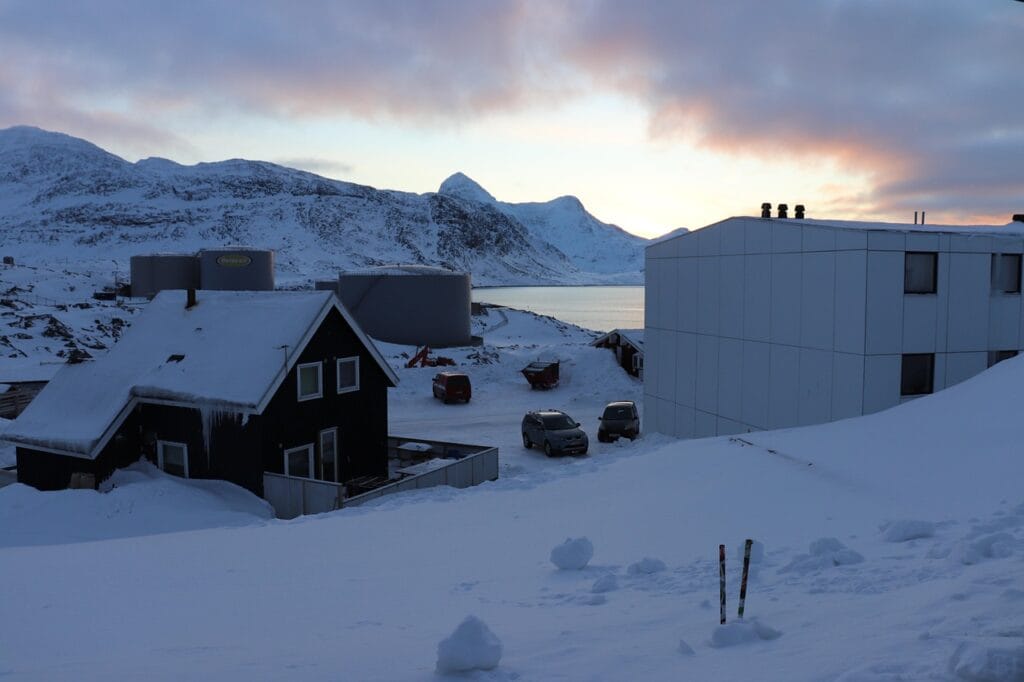
The Arctic holds Greenland as its largest island that exists as a landmass. Despite its vast landmass, it has a sparse population of about 56,000 people, mostly indigenous Inuit. The island is an autonomous territory under Denmark but also hosts Danish and US military bases. About 80% of Greenland is covered by ice, and most of its residents live along the southwestern coast, particularly around the capital, Nuuk.
Greenland’s economy relies mainly on fishing, with significant financial subsidies from Denmark, which make up around 20% of its GDP. However, the island has become increasingly attractive due to its natural resources, including rare earth minerals, uranium, and iron. As climate change melts Greenland’s ice, access to these resources is expected to expand, drawing even more international interest.
What is Greenland’s Political Status?
For nearly 300 years, Denmark has controlled Greenland. It was once a colony and remained relatively isolated until 1953, when it was incorporated into the Kingdom of Denmark. Greenlanders became Danish citizens, and in 1979, a referendum granted the island home rule, allowing it to govern most internal affairs while Denmark retained control over defense and foreign policy.
Although many Greenlanders favor independence, there is ongoing debate about how quickly it should happen and how the island could sustain itself economically without Danish subsidies.
Why Does the US Want Greenland?
The US has maintained a long-standing security interest in Greenland. During World War II, after Nazi Germany occupied Denmark, the US established military bases in Greenland. One of them, Pituffik Space Base (formerly Thule Air Base), remains a key US defense facility today. It plays a crucial role in missile defense and Arctic surveillance.
According to Marc Jacobsen of the Royal Danish Defence College, Greenland’s location is critical for US security: “If Russia were to send missiles toward the US, the shortest route would be via the North Pole and Greenland.”
China and Russia have also expanded their Arctic military presence in recent years. In response, Denmark and the US have discussed strengthening American influence in Greenland, as Danish Foreign Minister Lars Lokke Rasmussen acknowledged that Washington had “legitimate” interests in the region.
Beyond security, Trump sees economic opportunities in Greenland, particularly in its untapped mineral resources. The Arctic island contains valuable rare earth minerals used in high-tech industries, which could be a key factor behind US interest.
Has the US Tried to Take Over Greenland Before?
Trump’s idea to acquire Greenland is not new. In 1867, after buying Alaska from Russia, the US attempted to negotiate a purchase of Greenland, but Denmark refused.
In 1946, the US offered Denmark $100 million (equivalent to $1.2 billion today) for Greenland, citing national security concerns, but the offer was again rejected. Trump revived the proposal in 2019, suggesting the US should buy the island, but both Denmark and Greenland’s government dismissed the idea, with Denmark’s Prime Minister Mette Frederiksen calling it “absurd.”
What Do Greenlanders Think?
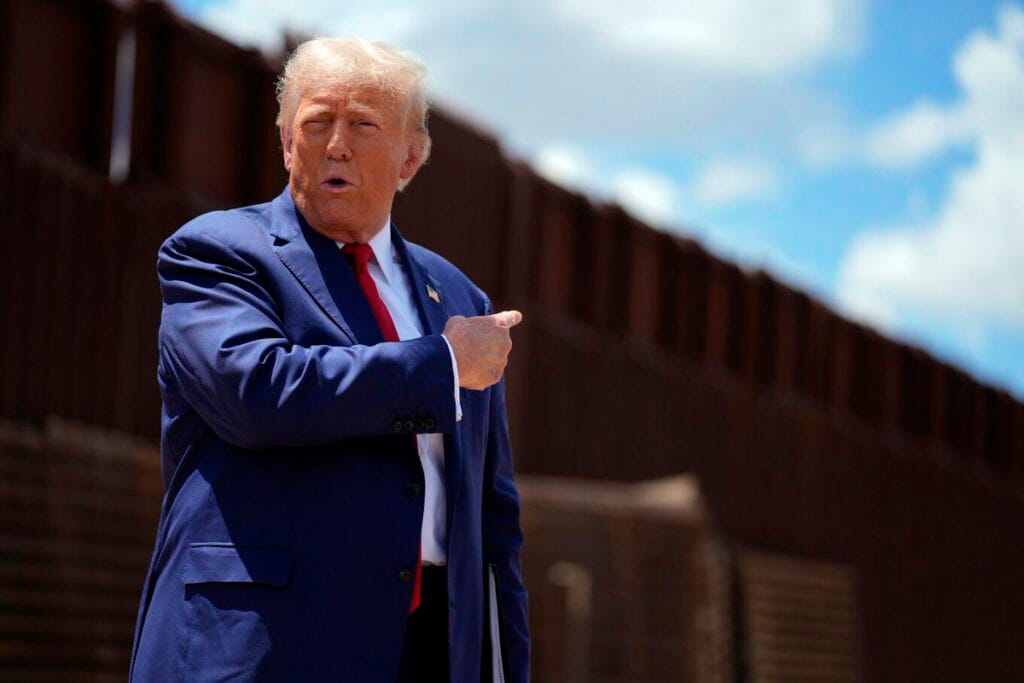
Trump’s comments have fueled Greenland’s independence debate. According to polls, nearly 80% of Greenlanders support independence from Denmark. However, when asked about joining the US, 85% opposed the idea, with only 6% in favor.
Masaana Egede, editor of the newspaper Sermitsiaq, says that Trump’s remarks have “put the debate on steroids.” Greenland’s Prime Minister Mute Egede has also voiced strong opposition to Trump’s approach, stating, “We deserve to be treated with respect.”
For many Greenlanders, independence from Denmark remains a priority, but they do not see joining the US as an option. BBC correspondent Fergal Keane reported that a common sentiment among locals was: “Greenland belongs to Greenlanders. So, Trump can visit, but that’s it.”
What’s Next for Greenland?
The upcoming elections will shape Greenland’s path forward. The ruling government supports gradual independence from Denmark, while opposition parties like Naleraq want to accelerate the process and deepen military ties with the US.
As global powers eye Greenland for its strategic location and natural resources, the island’s future remains uncertain. One thing is clear: Greenlanders want the right to decide their own fate, free from foreign interference.