When Donald Trump met with Ukrainian President Zelensky in New York last September, he was confident that the war in Ukraine could be brought to a quick resolution. Trump expressed his belief that a victory would lead to quick resolution of the issue. But how quickly he expected to end the war varied over time. Just days before, during a TV debate, he even suggested that he would “get it settled before I even become president.” This escalated his May 2023 commitment to halt the fighting within the first 24 hours of his presidency.
However, over two months into his presidency, it seems that the complexities of the Ukraine conflict are presenting unforeseen challenges. In a recent interview, Trump admitted that when he initially claimed the war could end within a day, he was “being a little bit sarcastic.”
The Challenges in Securing a Quick Ceasefire
1. Misplaced Faith in Personal Diplomacy
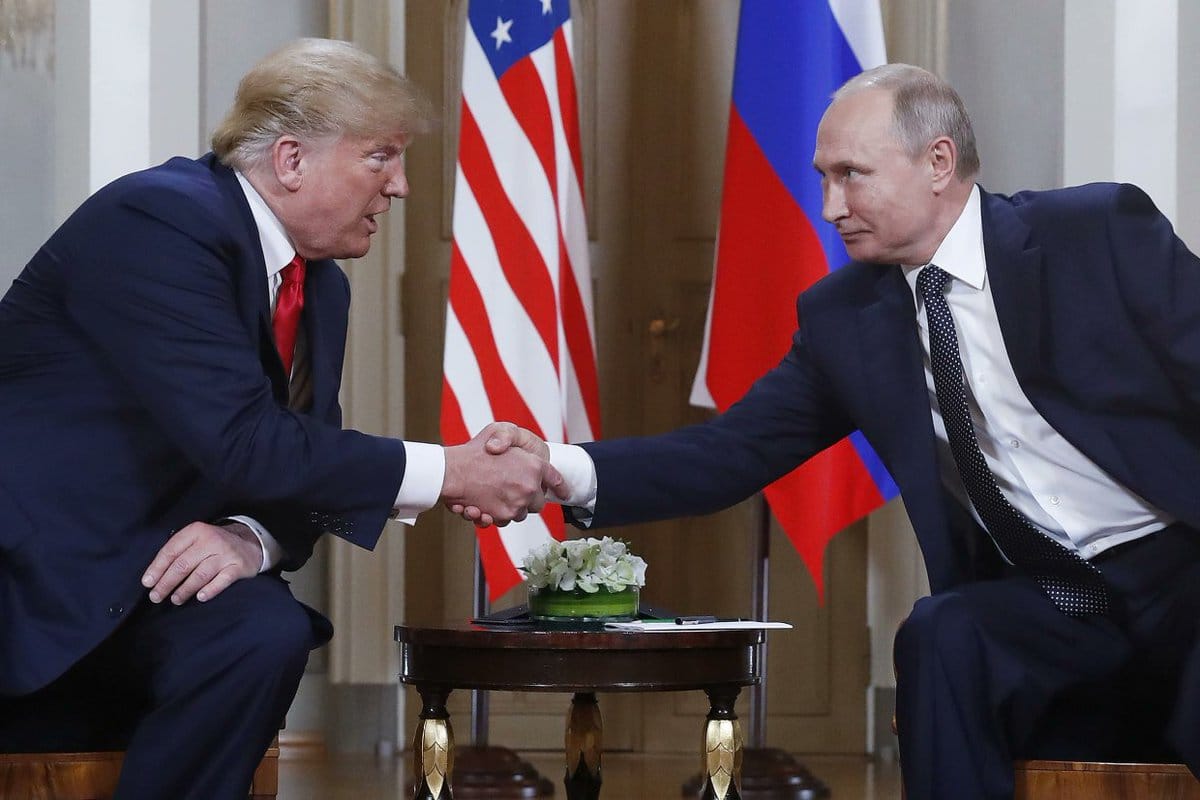
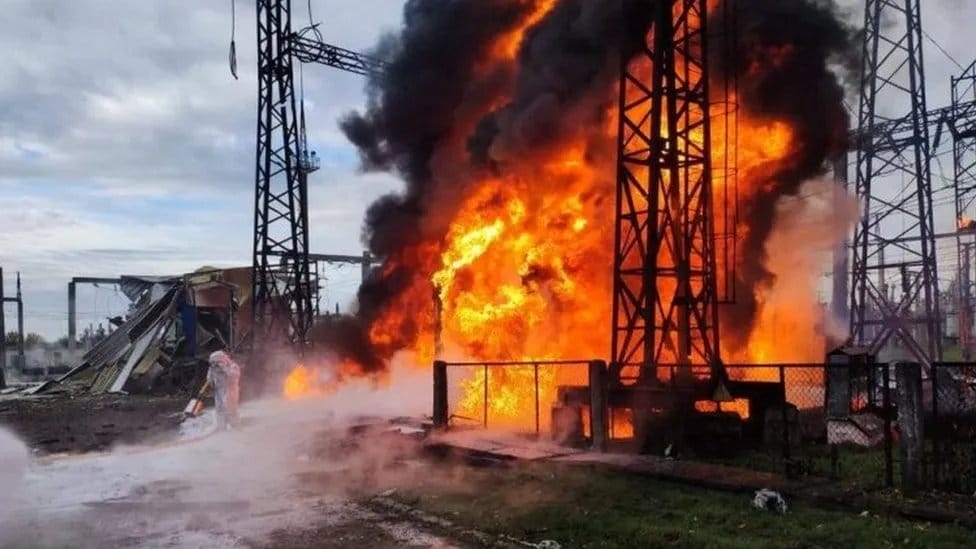
One of the key reasons Trump is struggling to secure a fast ceasefire is his reliance on personal diplomacy. Trump has long held the belief that any international issue can be resolved through direct, one-on-one talks. His approach with Russian President Vladimir Putin exemplifies this. Trump first spoke with Putin in February 2024, describing the conversation as “highly productive.” Another call followed in March 2024. Despite this, a 30-day ceasefire, which Trump aimed to secure, did not materialize. The only tangible outcome from the talks was Putin’s promise to halt attacks on Ukrainian energy infrastructure—a promise he reportedly broke soon after.
2. Putin’s Reluctance and Strategic Delay
President Putin has shown no inclination to rush into a deal, making it clear in a press conference last week that he has no intention of agreeing to the U.S. two-stage ceasefire plan. Putin insists that any talks must first address the “root causes of the war,” such as NATO expansion and the perceived threat to Russia’s security posed by Ukraine’s sovereignty. This stance underscores the deep-seated geopolitical and security concerns Putin has about the situation. His detailed preconditions for talks reflect his determination to control the narrative, making a swift resolution even more challenging.
3. The Complicated Role of Ukraine in the Peace Process
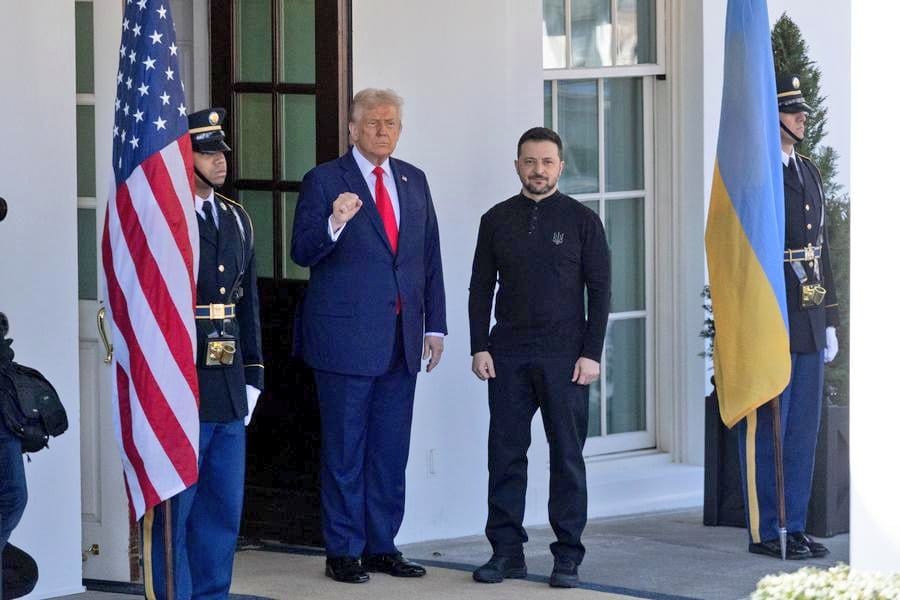
Another obstacle to a swift ceasefire is the evolving perception of Ukrainian President Zelensky’s role. Initially, the U.S. believed that Zelensky was the primary impediment to peace. As Western diplomats acknowledge, Ukraine’s government was slow to recognize the significant changes brought by Trump’s arrival. The subsequent pressure on Kyiv, including the now-infamous confrontation in the Oval Office between Trump, Vice President JD Vance, and Zelensky, consumed valuable time and political capital. This also caused tension between Europe and the U.S., further complicating the diplomatic landscape.
4. The Complexity of the Conflict
The Ukraine war’s sheer complexity is also a significant barrier to peace. Initial proposals for an interim ceasefire focused on halting attacks in the air and at sea, areas deemed relatively easier to monitor. However, discussions during last week’s talks in Jeddah broadened the scope to include the over 1,200 km-long front line in the east, making verification logistics much more difficult. Even more troubling, Putin rejected this expanded proposal.
The technical negotiations that will follow—set to take place in Saudi Arabia—will delve into specific details, such as which energy infrastructure should be protected and which military systems should be limited. These discussions are far from simple, and any missteps could undermine the fragile peace process. Furthermore, as Ukraine and Russia are not engaging directly with each other, but rather through U.S.-mediated talks, the process has become even more time-consuming.
5. Economic Focus Over Ending the Fighting
Lastly, Trump’s focus on economic benefits, such as securing access to Ukrainian critical minerals for U.S. companies, has distracted from the ultimate goal of ending the war. While some saw this as a move to invest in Ukraine’s future, others viewed it as an attempt to exploit the country’s natural resources. Zelensky initially resisted such economic agreements unless accompanied by security guarantees to deter further Russian aggression. The White House, however, believed that the presence of U.S. mining firms and workers would serve as enough of a deterrent. Zelensky eventually relented, agreeing to a minerals deal without such guarantees, though the deal remains unsigned as negotiations continue over terms—possibly including access to or ownership of Ukrainian nuclear power plants.
Conclusion: The Road to Peace is Long and Winding
Negotiating peace in a conflict as intricate and bitter as the Ukraine war is far from simple. While Trump’s push for a ceasefire has brought some progress, it has not been as quick or straightforward as he hoped. This serves as a stark reminder that wars, particularly those rooted in deep geopolitical tensions, cannot always be resolved with a simple handshake or a tweet. The world will continue to watch closely as diplomatic efforts unfold, with no immediate end in sight for the conflict in Ukraine.